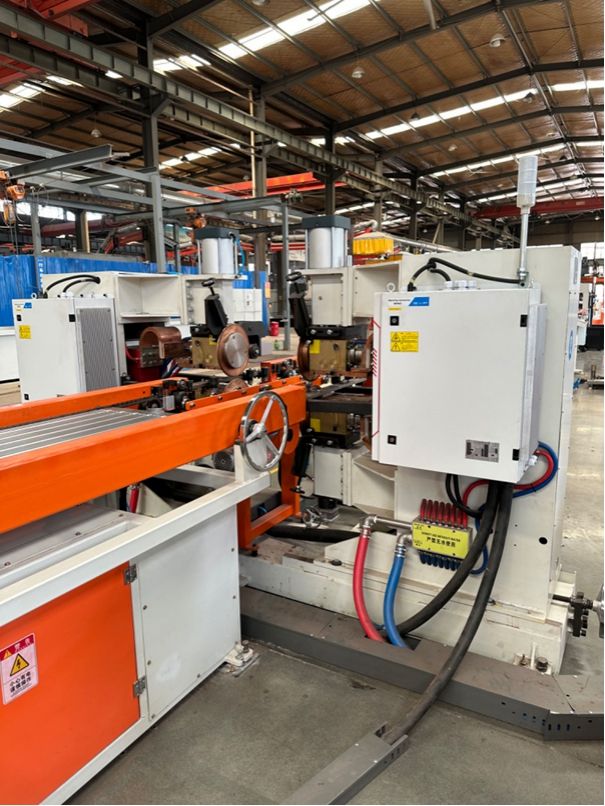
In the transformer manufacturing industry, the efficient and stable operation of the radiator production line is crucial to product quality and production efficiency.Reasonable maintenance cycle can not only extend the service life of the equipment, but also reduce the downtime of failure and ensure the continuity of the production line. This article will introduce the key maintenance cycle and precautions of the transformer radiator production line.
First of all, the core equipment of the radiator production line includes stamping machines, welding machines, surface treatment equipment, etc. The maintenance cycle of these equipment is usually divided into three levels: daily maintenance, monthly maintenance and annual maintenance. Daily maintenance includes cleaning the surface of the equipment, checking the lubrication system, tightening loose screws, etc. It is recommended to be carried out every day or every shift to ensure that the equipment is in good operating condition.
Monthly maintenance focuses more on the inspection and adjustment of key components. For example, the mold of the stamping machine needs to be checked regularly for wear, the electrode head of the welding machine needs to be cleaned and calibrated, and the spray system of the surface treatment equipment needs to be checked for blockage. These maintenance work is carried out once a month, which can effectively prevent small problems from turning into major failures.
Annual maintenance is a more comprehensive equipment overhaul, involving the replacement of wearing parts, calibration of the transmission system, detection of electrical circuits, etc. For example, the conveyor belt of the radiator production line may need to replace the aging belt, the hydraulic system needs to replace the hydraulic oil, and the electrical control system needs to test the line insulation performance. Annual maintenance is usually completed by professional technicians to ensure the long-term stable operation of the equipment.
In addition, the production line maintenance cycle needs to be adjusted in combination with production load and environmental factors. Equipment running under high load may need to shorten the maintenance interval, and dust or humid environment will also accelerate the aging of equipment, and cleaning and protective measures need to be strengthened.
Scientific maintenance cycle management is the key to the efficient operation of the transformer radiator production line. Through regular maintenance, enterprises can not only improve production efficiency, but also reduce the risk of equipment failure, providing a solid guarantee for product quality.