

When a transformer is operating, core hysteresis eddy current losses and winding copper losses generate a significant amount of heat. Heat accumulation can cause insulation degradation, shorten service life, and even damage the equipment. The core function of a heat sink is to efficiently transfer heat from the high-temperature insulating oil within the transformer tank to the surrounding environment, maintaining the oil temperature within the tank within a safe range (typically, the top oil temperature does not exceed 95°C, with a temperature rise of no more than 55K). This heat dissipation process follows an "oil-metal-air" heat transfer path: the insulating oil absorbs heat and circulates naturally or by forced convection to the heat sink, where it is transferred to the metal wall through conduction. The heat is then dissipated through natural convection and radiation on the air side.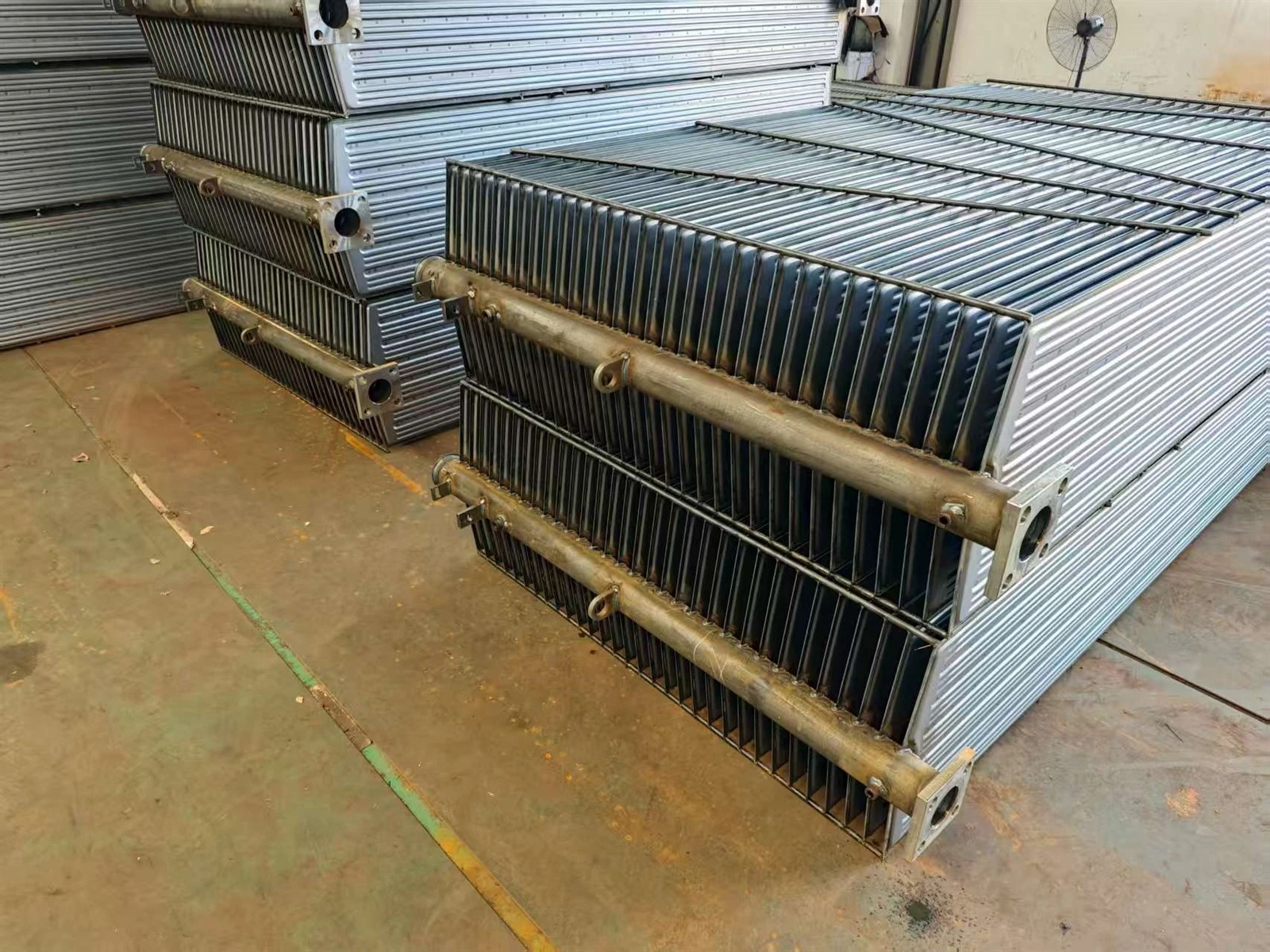

Core functions and working principles of transformer radiators
Sep 05, 2025
Leave a message