

Hey there! I'm a supplier of transformer radiator production lines, and today I wanna chat about the labor requirements for running such a line. It's super important to understand these needs to make sure your production runs smoothly and efficiently.
First off, let's talk about the overall labor structure. A transformer radiator production line involves several key stages, each of which demands a specific set of skills and manpower.
Skilled Operators
Machine Operators
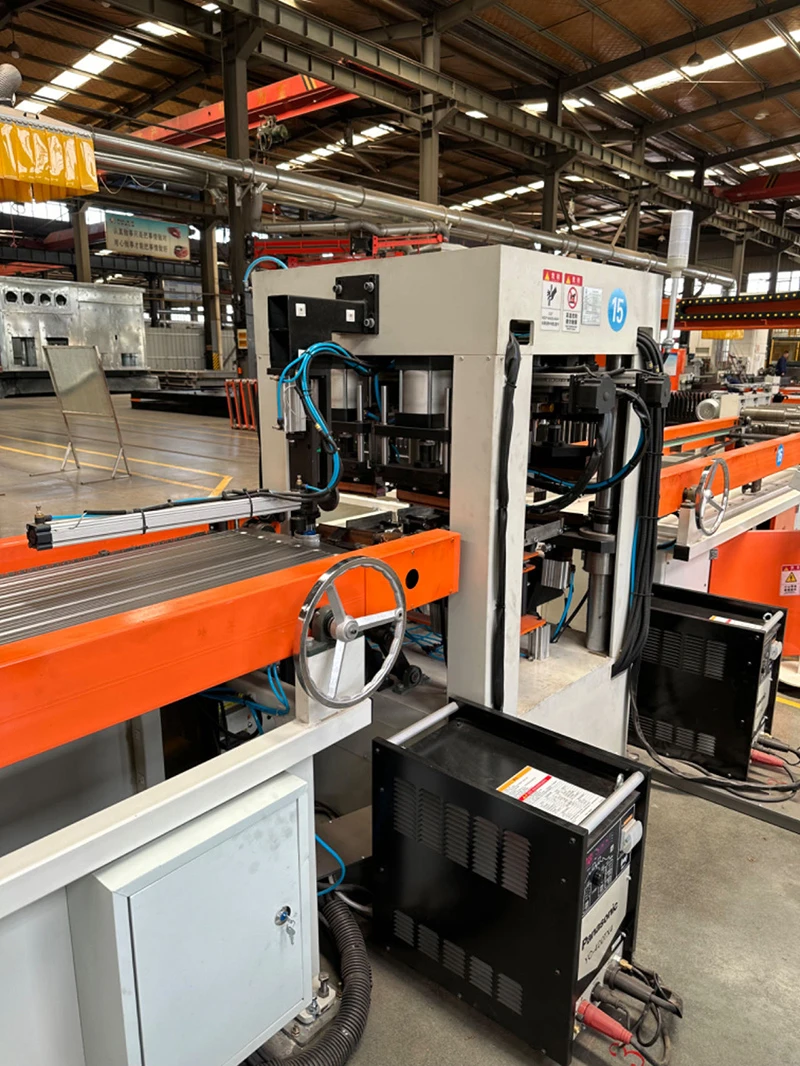
You'll need skilled machine operators to handle the various equipment on the production line. For instance, the Automatic Plate Combination Machine is a crucial piece of equipment. It combines different plates to form the basic structure of the radiator. An operator of this machine should have a good understanding of its working principles, be able to set up the machine according to the production requirements, and troubleshoot minor issues. They need to know how to adjust the speed, alignment, and pressure settings to ensure high - quality plate combinations.
Similarly, the End Argon Arc Welding Machine requires a highly skilled welder. Argon arc welding is a precise process, and the welder must be able to control the welding parameters such as current, voltage, and gas flow rate. They need to have a steady hand and good eyesight to ensure strong and leak - free welds at the ends of the radiator. This kind of work demands years of training and experience.
Quality Control Inspectors
Quality control is a vital part of the production process. Inspectors are responsible for checking the radiators at different stages of production. They use various measuring tools and inspection techniques to ensure that the radiators meet the required standards. For example, they'll check the dimensions of the plates, the quality of the welds, and the overall integrity of the radiator. These inspectors need to have a sharp eye for detail and a solid understanding of the quality standards and specifications.
Semi - Skilled Workers
Loading and Unloading Workers
The Loading and Unloading Systems are an essential part of the production line. Semi - skilled workers are needed to operate these systems. They need to be able to safely load raw materials, such as plates and pipes, onto the production line and unload the finished radiators. They should also be able to perform basic maintenance on the loading and unloading equipment, like lubricating moving parts and checking for loose connections.
Assembly Workers
Assembly workers play a key role in putting together the different components of the radiator. They need to follow the assembly instructions carefully, fitting parts together in the correct order. While they don't need the same level of technical expertise as machine operators or welders, they still need to have good hand - eye coordination and the ability to work quickly and accurately.
Unskilled Workers
Material Handlers
Unskilled workers can be employed as material handlers. Their main job is to move raw materials around the factory, keep the work areas clean, and assist other workers when needed. They need to be physically fit and able to handle heavy loads. Although this job doesn't require specialized skills, it's still an important part of the production process as it ensures that materials are in the right place at the right time.

Labor Quantity
The number of workers required for a transformer radiator production line depends on several factors, such as the production capacity, the level of automation, and the complexity of the products. A small - scale production line with a lower output may only need a handful of workers, perhaps 5 - 10 people. However, a large - scale, high - volume production line could require 50 or more workers.
If the production line is highly automated, the number of workers needed will be relatively lower. For example, an automated production line with advanced robotics can perform many of the tasks that would otherwise require human labor. But even in an automated line, there will still be a need for operators to monitor the machines, perform maintenance, and handle any unexpected issues.
Labor Training
Training is a must for all workers on the production line. For new machine operators, comprehensive training programs should be provided. These programs should cover the theoretical knowledge of the machines, as well as practical hands - on training. Welders, in particular, need continuous training to keep up with the latest welding techniques and safety standards.
Quality control inspectors also need regular training to stay updated on the changing quality requirements and inspection methods. Semi - skilled and unskilled workers should also receive basic training on safety procedures, equipment operation, and work ethics.
Labor Management
Effective labor management is crucial for the success of a transformer radiator production line. Managers need to ensure that workers are well - organized, motivated, and productive. They should create a positive work environment, provide fair compensation, and offer opportunities for career development.
Scheduling is also an important aspect of labor management. Workers need to be scheduled in a way that maximizes production efficiency while ensuring that they have enough rest and breaks. This may involve shift work, especially for high - volume production lines that run 24/7.
Conclusion
In conclusion, the labor requirements for a transformer radiator production line are diverse and complex. It requires a mix of skilled, semi - skilled, and unskilled workers, each with their own specific roles and responsibilities. The number of workers needed depends on the scale and automation level of the production line. Proper training and management are essential to ensure a smooth and efficient production process.
If you're in the market for a transformer radiator production line and want to discuss how to meet the labor requirements for your specific needs, feel free to reach out. We can have a detailed chat about your production goals and come up with a customized solution.
References
- Industry standards for transformer radiator production
- Previous experience in operating transformer radiator production lines