

When it comes to the world of manufacturing, especially in industries where precision and efficiency are paramount, the Automatic Plate Combination Machine stands out as a vital piece of equipment. As a proud supplier of Automatic Plate Combination Machines, I am excited to delve into the crucial aspect of its size. The size of an Automatic Plate Combination Machine is not just a random measurement; it has a profound impact on its performance, versatility, and suitability for different industrial applications.
The Significance of Machine Size
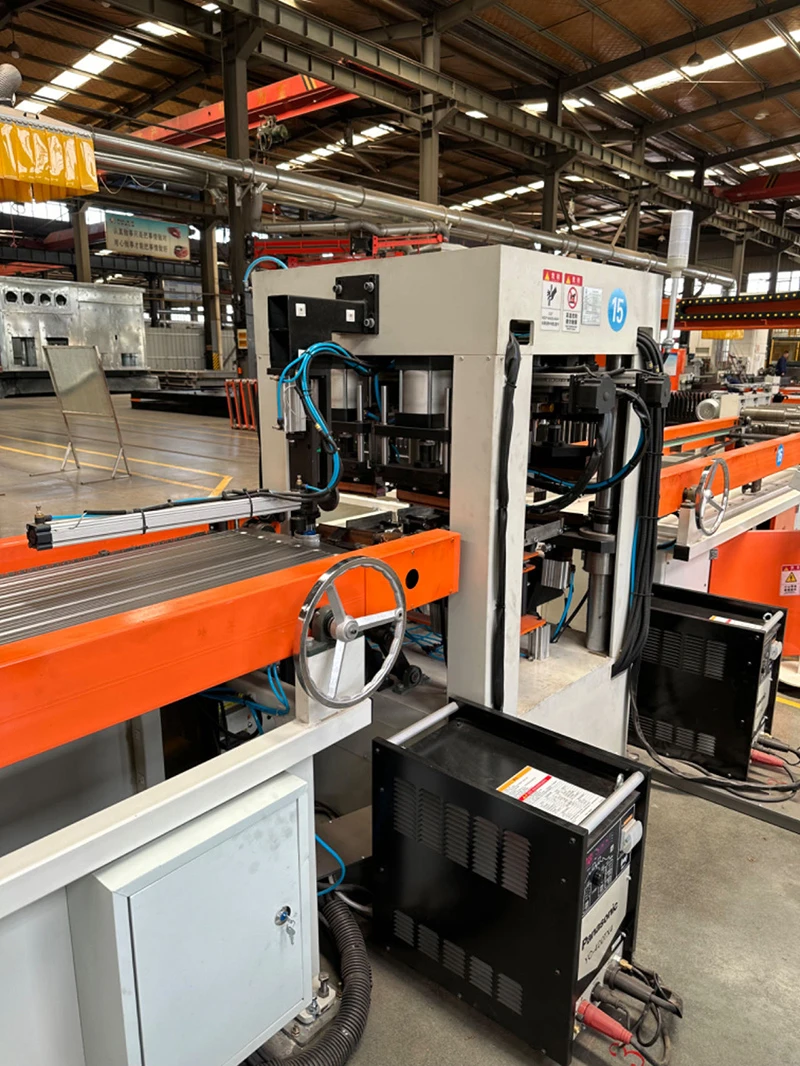
The size of an Automatic Plate Combination Machine is a multi - faceted aspect that affects numerous operational and logistical factors. Physically, the size is determined by several components, including the frame, the working table, the feeding and discharging systems, and the control panels. A larger machine usually implies a larger working area, which allows for processing bigger plates. On the other hand, a smaller machine might be more suitable for workshops with limited space or for handling smaller batches of workpieces.
In terms of functionality, the size also influences the machine's processing capacity. For instance, a machine with a wider working table can accommodate broader plates, enabling it to produce larger products in a single operation. This is particularly important in industries such as automotive manufacturing, shipbuilding, and construction, where large - scale plate components are commonly used. Moreover, the overall size of the machine can determine its speed and power consumption. A larger machine may require more energy to operate but could also offer higher processing speeds, leading to increased productivity in the long run.

Factors Affecting the Size of Automatic Plate Combination Machines
Plate Dimensions
The most obvious factor that affects the size of an Automatic Plate Combination Machine is the size of the plates it is designed to process. Machines intended for large - scale industrial applications often have substantial working areas to handle extra - large plates. For example, in the production of large - sized containers or building structures, the machine needs to be able to accommodate plates that can be several meters in length and width.
On the contrary, if the machine is designed for smaller - scale applications, such as the production of electronic components or small - sized metal parts, it can be significantly more compact. This is because it only has to handle much smaller plates, and thus, a smaller working area is sufficient.
Machining Functions
The complexity and variety of machining functions also play a role in determining the size of the Automatic Plate Combination Machine. A machine that offers multiple functions, such as cutting, welding, bending, and punching, will generally be larger than a machine that only performs a single function. This is because additional modules and components are required to implement these different operations.
For example, a machine that includes an End Argon Arc Welding Machine as part of its plate - combination process will need extra space to house the welding equipment, its power source, and control systems. Similarly, if the machine is equipped with advanced Loading and Unloading Systems, these systems will add to the overall dimensions of the machine.
Automation Level
The level of automation of the Automatic Plate Combination Machine is another factor influencing its size. Highly automated machines often have more sensors, controllers, and robotic arms compared to semi - automated or manual machines. These additional components are necessary to ensure accurate and efficient operation, but they also contribute to a larger overall size.
An automated machine with advanced control systems for precise plate positioning and processing may require a larger frame to support these components and provide sufficient space for their installation and maintenance. In contrast, a less automated machine may be more compact as it relies more on manual intervention and has fewer complex components.
Common Sizes and Their Applications
Small - Sized Machines
Small - sized Automatic Plate Combination Machines typically have a working area of less than 1 square meter. These machines are ideal for small workshops or laboratories where space is limited. They are commonly used for prototyping, small - batch production of precision parts, and for educational purposes. Despite their small size, they can still offer a high level of precision and efficiency, making them suitable for industries such as jewelry making, electronics manufacturing, and small - scale metalworking.
Medium - Sized Machines
Medium - sized machines usually have a working area ranging from 1 to 5 square meters. They strike a balance between size and functionality. These machines are widely used in medium - scale manufacturing enterprises, such as those producing automotive parts, furniture components, and small - to - medium - sized metal structures. They can handle a wider range of plate sizes and offer a greater variety of machining functions compared to small - sized machines.
Large - Sized Machines
Large - sized Automatic Plate Combination Machines have a working area of more than 5 square meters. These machines are designed for heavy - duty industrial applications, such as shipbuilding, large - scale construction, and the production of large - sized industrial equipment. They are capable of processing extremely large plates, often with high precision and speed. Their size allows for the integration of multiple advanced processing functions, making them a key asset in large manufacturing facilities.
Considering the Size during Machine Selection
When customers are in the process of selecting an Automatic Plate Combination Machine, the size should be one of the primary considerations. First and foremost, the size of the available workspace in the manufacturing facility must be taken into account. A machine that is too large for the workspace can cause logistical problems, such as difficulties in installation, maintenance, and material handling.
Secondly, the nature of the production tasks also plays a crucial role. Customers need to evaluate the typical size of the plates they will be processing and the required level of functionality. If they frequently work with large plates or require multiple machining operations, a larger and more feature - rich machine would be more appropriate. However, if the production mainly involves small - scale or precision work, a smaller machine may be a better choice.
In addition, the long - term growth potential of the business should also be considered. A growing company may need to expand its production capacity in the future. In this case, investing in a slightly larger machine with room for upgrading and expansion can be a wise decision.
Conclusion
The size of an Automatic Plate Combination Machine is a critical factor that impacts its performance, suitability for different applications, and the overall efficiency of the manufacturing process. As a supplier, we understand the diverse needs of our customers and are committed to providing machines of various sizes to meet those needs. Whether you are in the automotive, electronics, construction, or any other industry, choosing the right - sized machine can significantly enhance your production capabilities.
If you are interested in learning more about our Automatic Plate Combination Machines or would like to discuss your specific requirements for a perfect - fit machine, we invite you to engage in a conversation with us. Our team of experts is ready to offer professional advice and solutions tailored to your needs. Don't hesitate to reach out and start the procurement negotiation process. We look forward to the opportunity to support your manufacturing endeavors with our high - quality machines and excellent service.
References
- Manufacturing Technology Handbook, Edition 3, John Wiley & Sons
- Industrial Machine Design Principles, Second Edition, McGraw - Hill