

As a supplier of Dual Seam Welding Machines, I understand the critical role that optimizing the welding process plays in enhancing productivity, ensuring weld quality, and reducing costs. In this blog post, I'll share some practical strategies and insights on how to optimize the welding process of a Dual Seam Welding Machine.
Understanding the Basics of Dual Seam Welding
Dual seam welding is a specialized welding process used to create continuous, parallel welds on two adjacent seams simultaneously. This process is commonly employed in the manufacturing of various products, including automotive parts, electronic enclosures, and food containers. The Dual Seam Welding Machine utilizes rotating electrodes to apply pressure and heat to the workpieces, fusing them together along the seams.
Selecting the Right Welding Parameters
One of the first steps in optimizing the welding process is to select the appropriate welding parameters. These parameters include welding current, welding speed, electrode force, and electrode material. The optimal values for these parameters depend on several factors, such as the type and thickness of the materials being welded, the desired weld quality, and the specific requirements of the application.
- Welding Current: The welding current determines the amount of heat generated during the welding process. Too little current may result in incomplete fusion, while too much current can cause excessive melting and distortion of the workpieces. It's essential to find the right balance to achieve a strong and consistent weld.
- Welding Speed: The welding speed affects the heat input and the quality of the weld. A slower welding speed allows for more heat to be transferred to the workpieces, resulting in a deeper and stronger weld. However, it also increases the risk of overheating and distortion. On the other hand, a faster welding speed reduces the heat input but may lead to incomplete fusion.
- Electrode Force: The electrode force ensures proper contact between the electrodes and the workpieces, facilitating the transfer of heat and pressure. Insufficient electrode force can result in poor weld quality, while excessive force can cause damage to the electrodes and the workpieces.
- Electrode Material: The choice of electrode material depends on the type of materials being welded and the specific requirements of the application. Common electrode materials include copper, tungsten, and graphite. Each material has its own unique properties, such as conductivity, hardness, and resistance to wear.
Preparing the Workpieces
Proper preparation of the workpieces is crucial for achieving high-quality welds. This includes cleaning the surfaces to be welded, ensuring proper alignment, and removing any contaminants or oxides.
- Cleaning: The surfaces of the workpieces should be clean and free of dirt, oil, rust, and other contaminants. This can be achieved by using solvents, abrasive cleaning methods, or a combination of both.
- Alignment: The workpieces must be properly aligned to ensure that the welds are straight and consistent. This can be accomplished using fixtures, jigs, or other alignment tools.
- Edge Preparation: In some cases, it may be necessary to prepare the edges of the workpieces to improve the weld quality. This can involve beveling, chamfering, or grinding the edges to create a better fit and enhance the fusion process.
Maintaining the Welding Machine
Regular maintenance of the Dual Seam Welding Machine is essential to ensure its optimal performance and longevity. This includes cleaning the electrodes, checking the electrical connections, lubricating the moving parts, and inspecting the welding transformer and other components.
- Electrode Maintenance: The electrodes should be cleaned regularly to remove any buildup of weld spatter, oxides, or other contaminants. This can be done using a wire brush, sandpaper, or a dedicated electrode cleaning tool.
- Electrical Connections: The electrical connections should be checked periodically to ensure that they are tight and free of corrosion. Loose or corroded connections can cause arcing, overheating, and other problems.
- Lubrication: The moving parts of the welding machine, such as the electrode holders, guides, and drive mechanisms, should be lubricated regularly to reduce friction and wear.
- Component Inspection: The welding transformer, power supply, and other components should be inspected regularly for signs of damage or wear. Any faulty components should be replaced immediately to prevent further damage to the machine.
Implementing Quality Control Measures
Quality control is an integral part of the welding process. It involves monitoring the weld quality during and after the welding process to ensure that it meets the specified requirements.
- Visual Inspection: Visual inspection is the most basic form of quality control. It involves examining the welds for any visible defects, such as cracks, porosity, or incomplete fusion.
- Non-Destructive Testing (NDT): NDT methods, such as ultrasonic testing, X-ray testing, and magnetic particle testing, can be used to detect internal defects in the welds that are not visible to the naked eye.
- Mechanical Testing: Mechanical testing, such as tensile testing, shear testing, and hardness testing, can be used to evaluate the strength and durability of the welds.
Using Advanced Welding Technologies
Advancements in welding technology have led to the development of various advanced welding techniques and equipment that can significantly improve the efficiency and quality of the welding process.
- Pulsed Welding: Pulsed welding is a technique that involves applying a series of short, high-energy pulses of current during the welding process. This helps to reduce the heat input, minimize distortion, and improve the weld quality.
- Laser Welding: Laser welding is a high-precision welding technique that uses a focused laser beam to melt and fuse the workpieces. It offers several advantages over traditional welding methods, including high welding speed, minimal heat-affected zone, and excellent weld quality.
- Robotic Welding: Robotic welding systems can automate the welding process, improving productivity, consistency, and quality. These systems can be programmed to perform complex welding tasks with high precision and repeatability.
Integration with Other Equipment
To further optimize the manufacturing process, it's often beneficial to integrate the Dual Seam Welding Machine with other equipment, such as Automatic Plate Combination Machine, Automatic Unreeling Machine, and End Argon Arc Welding Machine. This can streamline the production process, reduce manual labor, and improve overall efficiency.
Conclusion
Optimizing the welding process of a Dual Seam Welding Machine requires a comprehensive approach that includes selecting the right welding parameters, preparing the workpieces, maintaining the machine, implementing quality control measures, using advanced welding technologies, and integrating with other equipment. By following these strategies, you can improve the productivity, quality, and cost-effectiveness of your welding operations.

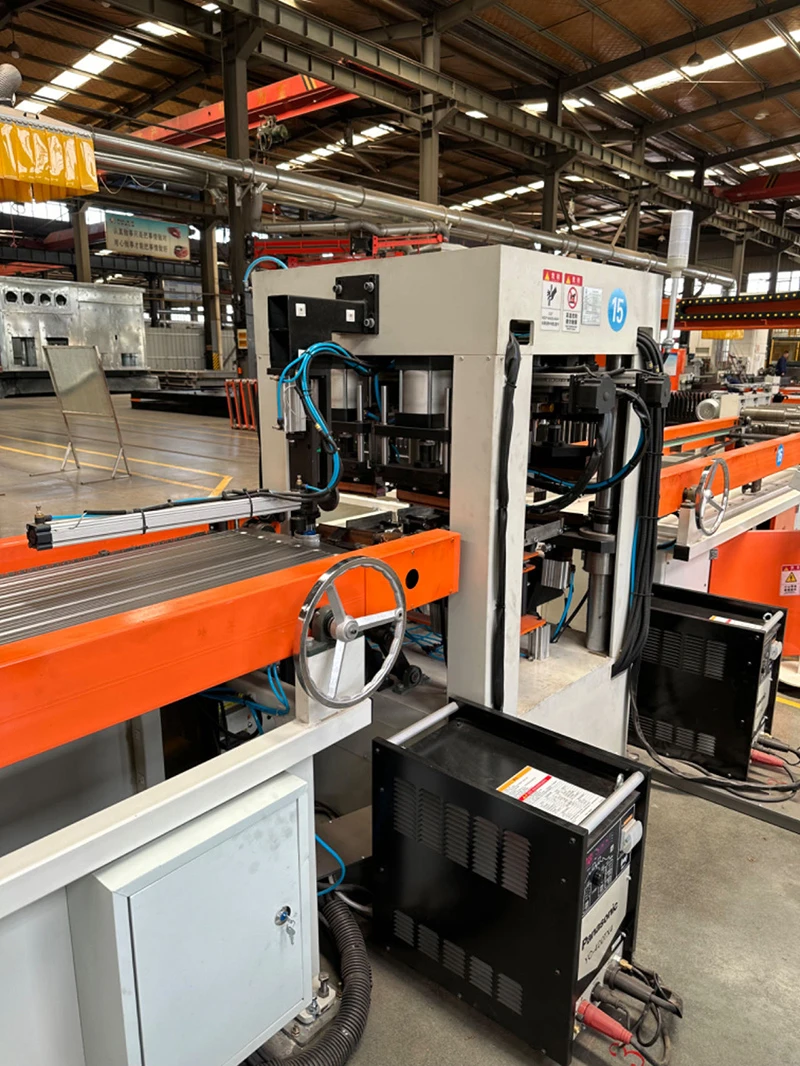
If you're interested in learning more about our Dual Seam Welding Machines or have any questions about optimizing the welding process, please feel free to contact us. We'd be happy to discuss your specific requirements and provide you with a customized solution.
References
- AWS Welding Handbook, Volume 1: Welding Science and Technology, American Welding Society.
- Welding Metallurgy and Weldability of Stainless Steels, John C. Lippold and David J. Kotecki.
- Welding Technology: Principles and Applications, Larry Jeffus.