

Calibrating an end seam welder machine is a crucial process that ensures the quality, efficiency, and safety of welding operations. As a supplier of end seam welder machines, I understand the importance of proper calibration and its impact on the overall performance of the equipment. In this blog post, I will share some insights on how to calibrate an end seam welder machine effectively.
Understanding the Basics of End Seam Welder Machine Calibration
Before diving into the calibration process, it's essential to understand what end seam welding is and how an end seam welder machine works. End seam welding is a process used to join two pieces of metal along their edges to form a continuous seam. An end seam welder machine typically consists of a power supply, electrodes, a control system, and a welding head.
The calibration of an end seam welder machine involves adjusting various parameters to ensure that the welding process meets the required specifications. These parameters include welding current, voltage, welding time, electrode pressure, and electrode alignment. Proper calibration ensures consistent weld quality, reduces the risk of defects, and extends the lifespan of the welding electrodes.
Pre - Calibration Checks
Before starting the calibration process, it's important to perform a series of pre - calibration checks:
- Visual Inspection: Inspect the machine for any visible damage, loose connections, or signs of wear and tear. Check the electrodes for proper alignment, wear, and cleanliness. Replace any damaged or worn - out parts.
- Power Supply: Ensure that the power supply to the machine is stable and within the specified voltage range. Fluctuations in power can affect the welding process and lead to inconsistent welds.
- Cooling System: If the machine has a cooling system, check the coolant level and the operation of the cooling pump. Proper cooling is essential to prevent overheating of the electrodes and other components.
Step - by - Step Calibration Process
1. Welding Current Calibration
The welding current is one of the most critical parameters in the end seam welding process. It determines the heat input into the weld and affects the penetration and strength of the weld.
- Use a Current Meter: Connect a calibrated current meter to the welding circuit. This will allow you to measure the actual welding current accurately.
- Adjust the Current Setting: Refer to the machine's manual to find the recommended welding current for the specific material and thickness you are welding. Use the control panel of the machine to adjust the current setting until the measured current matches the recommended value.
2. Voltage Calibration
The welding voltage also plays an important role in the welding process. It affects the arc stability and the shape of the weld bead.
- Voltage Measurement: Use a voltmeter to measure the voltage across the electrodes during the welding process.
- Voltage Adjustment: Similar to the current calibration, refer to the manual for the recommended voltage setting. Adjust the voltage on the control panel until the measured voltage is within the specified range.
3. Welding Time Calibration
The welding time determines the duration of the welding process and affects the amount of heat input and the size of the weld.
- Time Setting: Set the welding time on the control panel according to the material and thickness requirements. You can use a stopwatch to verify the actual welding time.
- Fine - Tuning: If the actual welding time differs from the set time, adjust the time setting on the control panel until the correct time is achieved.
4. Electrode Pressure Calibration
Proper electrode pressure is necessary to ensure good electrical contact between the electrodes and the workpiece, as well as to control the weld width and penetration.
- Pressure Gauge: Use a pressure gauge to measure the electrode pressure.
- Pressure Adjustment: Adjust the electrode pressure using the pressure adjustment mechanism on the machine. Refer to the manual for the recommended pressure values based on the material and thickness.
5. Electrode Alignment Calibration
Correct electrode alignment is crucial for producing consistent and high - quality welds. Misaligned electrodes can lead to uneven welds, poor penetration, and electrode wear.
- Visual Inspection: Visually check the alignment of the electrodes. They should be parallel to each other and perpendicular to the workpiece.
- Alignment Adjustment: Use the alignment adjustment screws or mechanisms on the welding head to adjust the position of the electrodes. You can use a feeler gauge or a precision alignment tool to ensure accurate alignment.
Post - Calibration Testing
After completing the calibration process, it's important to perform post - calibration testing to verify the effectiveness of the calibration:
- Test Welds: Perform a series of test welds on sample workpieces. Inspect the welds for appearance, penetration, and strength. Check for any signs of defects such as cracks, porosity, or incomplete fusion.
- Weld Quality Analysis: Use non - destructive testing methods such as X - ray or ultrasonic testing to analyze the internal quality of the welds. If the weld quality does not meet the required standards, re - evaluate the calibration settings and make necessary adjustments.
Importance of Regular Calibration
Regular calibration of end seam welder machines is essential for several reasons:
- Quality Assurance: Calibration ensures that the welding process produces consistent and high - quality welds, which is crucial for meeting industry standards and customer requirements.
- Equipment Longevity: Proper calibration reduces the stress on the machine's components, such as electrodes and power supplies, and extends their lifespan.
- Safety: A well - calibrated machine operates more safely, reducing the risk of accidents and injuries in the workplace.
Additional Resources
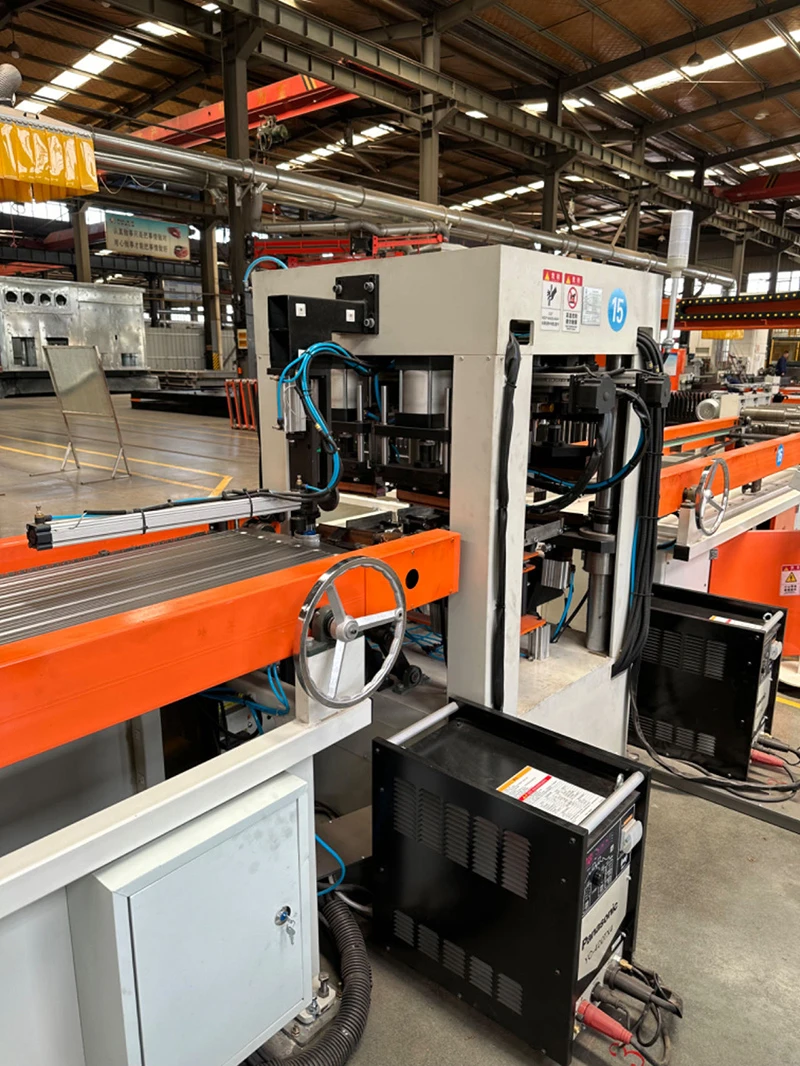
As a supplier, we also offer a range of related products that can enhance your welding operations. For example, the End Argon Arc Welding Machine provides a precise and efficient welding solution for specific applications. The Automatic Plate Combination Machine can streamline the plate combination process before welding, improving productivity. And the Automatic Unreeling Machine can handle the unwinding of metal coils, making the overall process more seamless.

Contact for Purchase and Consultation
If you are interested in our end seam welder machines or need further assistance with calibration or any other welding - related issues, please feel free to contact us. We have a team of experts who can provide you with detailed information, technical support, and help you choose the right equipment for your specific needs. Our commitment is to provide high - quality products and excellent customer service to ensure your welding operations are successful.
References
- Welding Handbook, American Welding Society
- End Seam Welder Machine User Manuals