

What is the maximum welding length of a Dual Seam Welding Machine?
As a trusted supplier of Dual Seam Welding Machines, I often encounter inquiries from customers regarding the maximum welding length of these machines. Understanding this parameter is crucial for industries that rely on precise and efficient welding processes, such as automotive, aerospace, and manufacturing. In this blog post, I will delve into the factors that influence the maximum welding length of a Dual Seam Welding Machine and provide insights to help you make informed decisions for your welding needs.
Understanding Dual Seam Welding Machines
Before we explore the maximum welding length, let's briefly understand what a Dual Seam Welding Machine is. Dual seam welding is a process that uses two electrodes to create a continuous weld along two parallel seams simultaneously. This method offers several advantages, including high productivity, consistent weld quality, and the ability to weld a variety of materials, such as steel, aluminum, and copper.
Dual Seam Welding Machines are commonly used in the production of cylindrical objects, such as tanks, pipes, and radiators. They are designed to provide a reliable and efficient way to join two metal sheets together, creating a strong and leak-proof seal.
Factors Affecting the Maximum Welding Length
The maximum welding length of a Dual Seam Welding Machine is influenced by several factors, including:
Machine Design and Construction
The design and construction of the welding machine play a significant role in determining the maximum welding length. Machines with a robust frame and high-quality components are generally capable of handling longer welding lengths. Additionally, the type of electrode and the welding power source can also affect the machine's performance.
Material Thickness and Type
The thickness and type of the materials being welded can also impact the maximum welding length. Thicker materials require more heat and pressure to weld, which can limit the machine's ability to produce a continuous weld over a long distance. Different materials also have different welding characteristics, such as thermal conductivity and melting point, which can affect the welding process.
Welding Speed
The welding speed is another important factor that affects the maximum welding length. Faster welding speeds can reduce the amount of time required to complete a weld, but they can also increase the risk of defects, such as porosity and lack of fusion. Therefore, it is essential to find the right balance between welding speed and quality to achieve the maximum welding length.
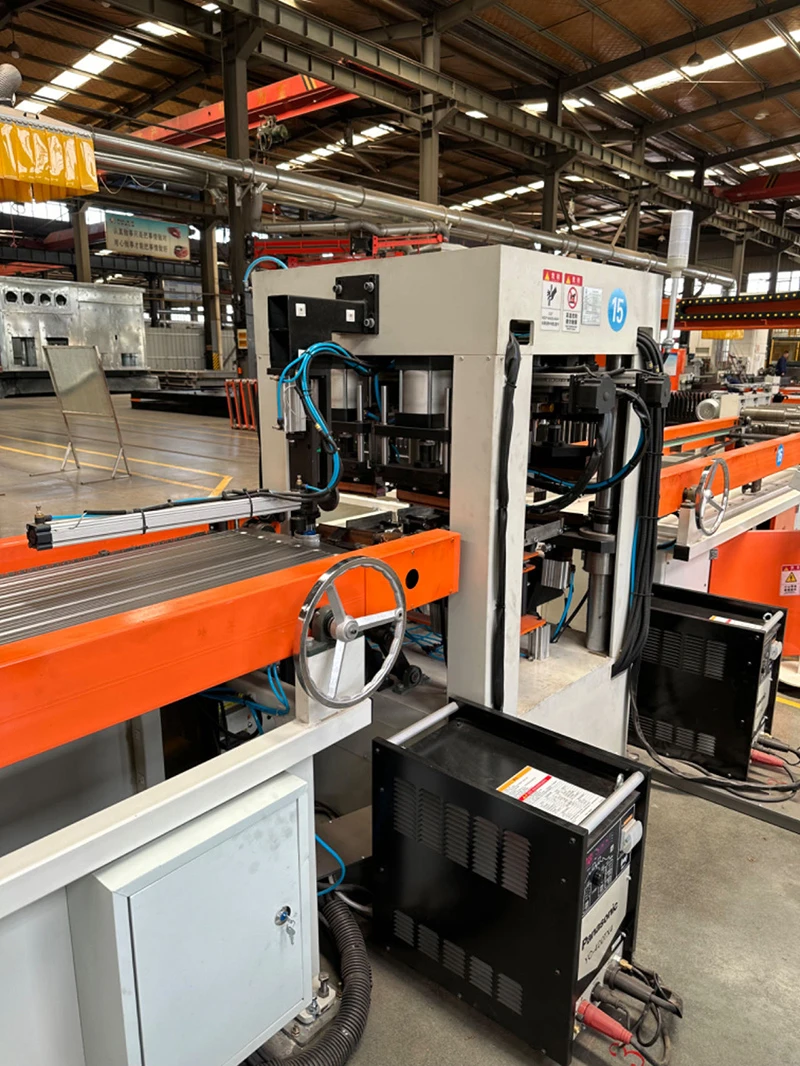

Cooling System
The cooling system of the welding machine is crucial for maintaining the temperature of the electrodes and the workpiece during the welding process. A well-designed cooling system can prevent overheating, which can cause the electrodes to wear out quickly and reduce the quality of the weld. Machines with an efficient cooling system are generally capable of handling longer welding lengths.
Typical Maximum Welding Lengths
The maximum welding length of a Dual Seam Welding Machine can vary depending on the specific machine model and the factors mentioned above. In general, most Dual Seam Welding Machines are capable of welding lengths ranging from a few centimeters to several meters.
For small-scale applications, such as the production of small tanks and pipes, machines with a maximum welding length of up to 1 meter may be sufficient. These machines are typically compact and easy to operate, making them ideal for workshops and small manufacturing facilities.
For larger-scale applications, such as the production of large tanks and radiators, machines with a maximum welding length of up to 5 meters or more may be required. These machines are usually more complex and require a higher level of expertise to operate, but they offer greater productivity and efficiency.
Choosing the Right Dual Seam Welding Machine
When choosing a Dual Seam Welding Machine, it is essential to consider your specific welding requirements, including the maximum welding length, the thickness and type of materials being welded, and the production volume. Here are some tips to help you choose the right machine for your needs:
Determine Your Welding Requirements
Before purchasing a welding machine, it is important to determine your specific welding requirements. This includes the maximum welding length, the thickness and type of materials being welded, and the production volume. By understanding your requirements, you can choose a machine that is capable of meeting your needs.
Consider the Machine's Features and Specifications
When comparing different welding machines, it is important to consider their features and specifications. Look for machines that offer the features you need, such as adjustable welding speed, electrode pressure control, and cooling system. Additionally, pay attention to the machine's power source, electrode type, and welding capacity.
Evaluate the Machine's Performance and Reliability
The performance and reliability of the welding machine are crucial for ensuring consistent and high-quality welds. Look for machines that have a proven track record of performance and reliability. You can also read customer reviews and testimonials to get an idea of the machine's performance in real-world applications.
Consider the Cost and Maintenance
The cost of the welding machine is an important factor to consider, but it should not be the only factor. You should also consider the machine's maintenance requirements and the cost of replacement parts. Look for machines that are easy to maintain and have a low cost of ownership.
Related Equipment for Welding Processes
In addition to Dual Seam Welding Machines, there are several other types of equipment that can be used in the welding process. These include:
- Automatic Unreeling Machine: This machine is used to unwind and feed the metal sheets into the welding machine. It can help to improve the efficiency of the welding process by reducing the amount of manual labor required.
- Automatic End Shear Machine: This machine is used to cut the ends of the metal sheets to the desired length. It can help to ensure that the metal sheets are properly aligned before welding, which can improve the quality of the weld.
- End Argon Arc Welding Machine: This machine is used to perform argon arc welding on the ends of the metal sheets. It can help to create a strong and reliable weld at the end of the seam, which can improve the overall strength and durability of the welded structure.
Conclusion
The maximum welding length of a Dual Seam Welding Machine is influenced by several factors, including machine design, material thickness and type, welding speed, and cooling system. By understanding these factors and choosing the right machine for your needs, you can achieve the maximum welding length and ensure consistent and high-quality welds.
If you are in the market for a Dual Seam Welding Machine or any other welding equipment, please feel free to contact us. Our team of experts can help you choose the right machine for your specific requirements and provide you with the support and service you need to ensure the success of your welding projects.
References
- Welding Handbook, American Welding Society
- Principles of Welding, John Wiley & Sons
- Welding Technology, McGraw-Hill Education