

Hey there! As a supplier of Loading and Unloading Systems, I've got a lot to share about the standards and regulations that govern these systems. In this blog, I'll break down what you need to know, and I'll also throw in some links to our cool products along the way.
Why Standards and Regulations Matter
First off, you might be wondering why we even need standards and regulations for loading and unloading systems. Well, it's all about safety, efficiency, and making sure everything runs smoothly. These rules are in place to protect workers, prevent damage to goods, and ensure that the environment isn't negatively impacted.
Imagine a scenario where there are no standards. Trucks could be overloaded, leading to accidents on the road. Workers might not have the proper training to operate the equipment, which could result in injuries. And without environmental regulations, there could be spills and pollution. So, you see, standards and regulations are a big deal.
Safety Standards
Safety is always the top priority when it comes to loading and unloading systems. There are several key safety standards that we need to follow.
Equipment Safety
The equipment used in loading and unloading, such as forklifts, cranes, and conveyor belts, must meet certain safety requirements. For example, forklifts need to have proper brakes, steering, and lifting mechanisms. They also need to be inspected regularly to make sure they're in good working condition.
Our Automatic Unreeling Machine is designed with safety in mind. It has built - in safety features like emergency stop buttons and safety guards to prevent workers from getting injured.
Worker Safety
Workers who operate loading and unloading equipment need to be properly trained. They should know how to use the equipment safely, how to handle different types of goods, and what to do in case of an emergency.
In addition, there are regulations regarding personal protective equipment (PPE). Workers should wear things like hard hats, safety glasses, and steel - toed boots to protect themselves from potential hazards.

Efficiency Standards
Efficiency is another important aspect of loading and unloading systems. The goal is to move goods as quickly and smoothly as possible without sacrificing safety.
Loading Capacity
Each piece of equipment has a maximum loading capacity. It's crucial not to exceed this capacity, as it can lead to equipment failure and safety risks. For example, if a crane is rated to lift 10 tons, you shouldn't try to lift 15 tons with it.
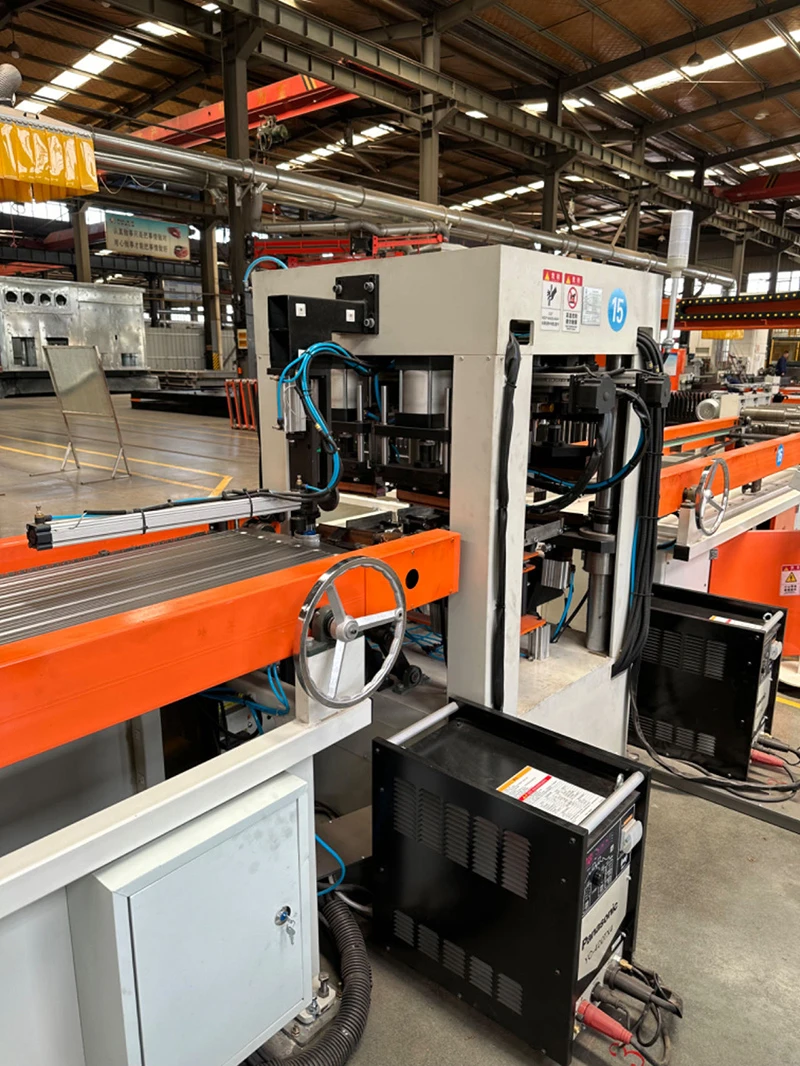
Our End Argon Arc Welding Machine is designed to work efficiently within its specified capacity. It can handle welding jobs quickly and accurately, which helps to speed up the overall loading and unloading process.
Process Optimization
There are also standards for optimizing the loading and unloading process. This might involve things like proper layout of the loading area, using the right equipment for the job, and having a well - organized workflow.
For example, if you have a lot of small packages to load, using a conveyor belt system might be more efficient than using a forklift. By following these efficiency standards, we can reduce the time and cost associated with loading and unloading.
Environmental Regulations
In today's world, environmental regulations are becoming increasingly important. Loading and unloading systems can have an impact on the environment, especially when it comes to things like fuel consumption and waste management.
Fuel Efficiency
Equipment that runs on fuel, such as trucks and forklifts, needs to meet certain fuel efficiency standards. This helps to reduce emissions and save on fuel costs. Manufacturers are constantly working on developing more fuel - efficient engines and technologies.
Waste Management
There are also regulations regarding the management of waste generated during the loading and unloading process. This could include things like packaging materials, spilled liquids, and damaged goods. Proper waste disposal methods need to be followed to prevent pollution.
Industry - Specific Regulations
Different industries may have their own specific regulations for loading and unloading systems. For example, the food industry has strict regulations regarding the handling of food products to ensure food safety.
In the pharmaceutical industry, there are regulations for the storage and transportation of drugs to maintain their quality and efficacy. As a supplier, we need to be aware of these industry - specific regulations and make sure our systems comply with them.
International Standards
If you're involved in international trade, there are also international standards for loading and unloading systems. These standards help to ensure that goods can be transported safely and efficiently across different countries.
For example, the International Maritime Organization (IMO) has regulations for the loading and unloading of cargo on ships. These regulations cover things like cargo stowage, weight distribution, and securing of cargo to prevent it from shifting during transit.
How We Comply
As a supplier of Loading and Unloading Systems, we take these standards and regulations very seriously. We make sure that all of our products, including the End Seam Welder Machine, are designed and manufactured to meet or exceed the relevant standards.
We also provide training and support to our customers to help them comply with the regulations. This includes training on equipment operation, safety procedures, and environmental management.
Conclusion
In conclusion, standards and regulations for loading and unloading systems are essential for safety, efficiency, and environmental protection. By following these rules, we can ensure that our operations are smooth, our workers are safe, and the environment is protected.
If you're in the market for high - quality Loading and Unloading Systems that comply with all the relevant standards and regulations, we'd love to hear from you. Whether you need an Automatic Unreeling Machine, an End Argon Arc Welding Machine, or an End Seam Welder Machine, we've got you covered. Contact us today to start a conversation about your specific needs and how we can help you optimize your loading and unloading processes.
References
- Occupational Safety and Health Administration (OSHA) standards on industrial equipment safety.
- International Maritime Organization (IMO) regulations on ship cargo handling.
- Industry - specific guidelines from relevant trade associations.