

In the realm of industrial operations, the choice between manual and automated loading and unloading systems is a critical decision that can significantly impact productivity, safety, and overall efficiency. As a seasoned supplier of Loading and Unloading Systems, I've witnessed firsthand the limitations of manual systems. In this blog post, I'll delve into the disadvantages of manual loading and unloading systems, highlighting why transitioning to automated solutions might be a game-changer for your business.
1. Low Productivity
One of the most glaring disadvantages of manual loading and unloading systems is their inherently low productivity. Human workers are subject to physical fatigue, which can slow down the loading and unloading process over time. Unlike automated systems that can operate continuously without breaks, manual laborers need regular rest periods to maintain their performance. This leads to significant downtime during shifts, reducing the overall output of the operation.
Moreover, manual processes are often slower due to the need for precise handling and movement. Workers must carefully position each item, which can be time-consuming, especially when dealing with large or heavy loads. In contrast, automated systems can be programmed to perform tasks at a much faster pace, with consistent precision. For example, an Automatic Unreeling Machine can quickly and accurately unwind materials, eliminating the need for manual handling and speeding up the production process.
2. High Labor Costs
Manual loading and unloading systems rely heavily on human labor, which can be a significant expense for businesses. In addition to paying workers' salaries, companies must also account for benefits, training, and potential overtime costs. As labor costs continue to rise, the financial burden of maintaining a manual workforce can become unsustainable.
Furthermore, manual labor is prone to errors, which can result in additional costs. Mistakes such as dropping or damaging goods during loading and unloading can lead to product losses and increased waste. These losses not only impact the bottom line but can also damage the company's reputation. Automated systems, on the other hand, have a much lower error rate, reducing the likelihood of costly mistakes and improving overall cost - effectiveness.

3. Safety Risks
Manual loading and unloading operations pose significant safety risks to workers. Lifting heavy objects can cause musculoskeletal injuries, such as back strains and sprains. Workers may also be at risk of being struck by falling objects or getting caught in machinery. These injuries can lead to lost workdays, workers' compensation claims, and potential legal liabilities for the company.
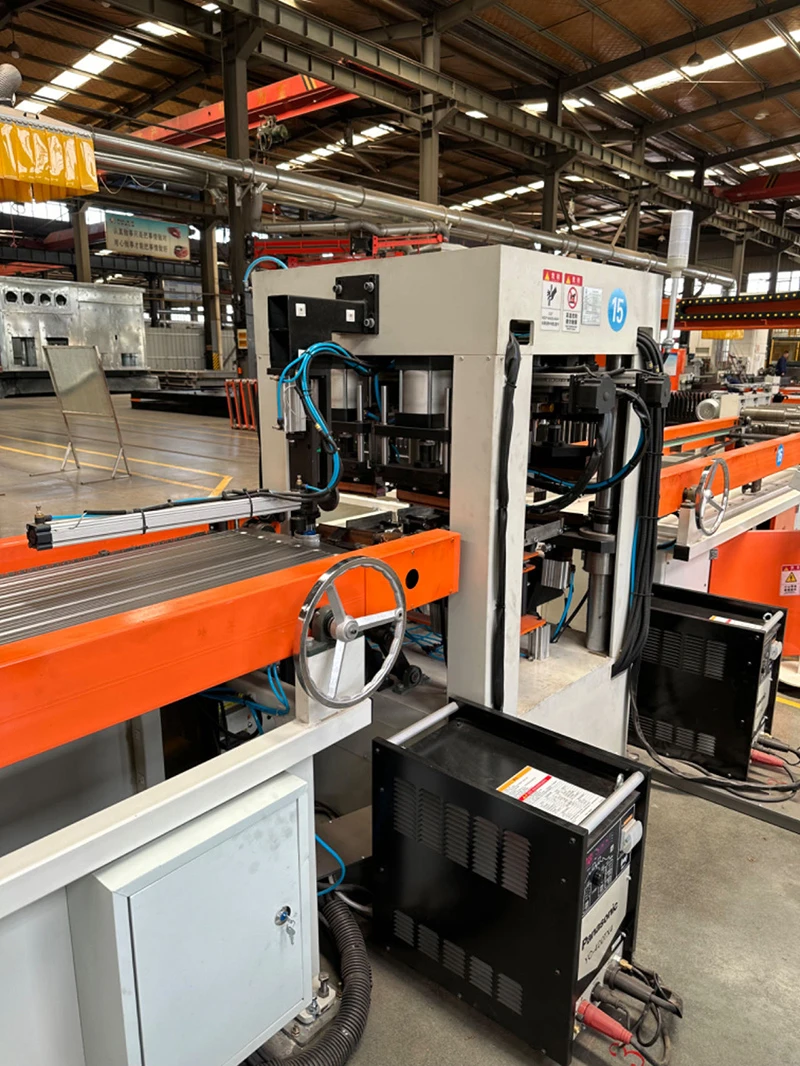
In addition to physical injuries, manual labor can also expose workers to ergonomic hazards. Repeating the same motions over and over again can lead to repetitive strain injuries, which can be painful and debilitating. Automated systems can eliminate many of these safety risks by performing tasks that are dangerous or physically demanding for humans. For instance, a Dual Seam Welding Machine can perform welding operations without putting workers at risk of burns or exposure to harmful fumes.
4. Inconsistent Quality
Manual loading and unloading processes are often subject to human error, which can result in inconsistent quality. Workers may not position items correctly or apply the same amount of force each time, leading to variations in the final product. These inconsistencies can be a problem, especially in industries where precision and quality control are crucial.
Automated systems, however, can ensure consistent quality by performing tasks with a high degree of accuracy and repeatability. They can be programmed to follow specific instructions, ensuring that each item is loaded or unloaded in the same way every time. This consistency can improve product quality, reduce waste, and enhance customer satisfaction.
5. Limited Scalability
Manual loading and unloading systems have limited scalability. As a business grows and the volume of goods to be loaded and unloaded increases, it becomes challenging to add more workers to keep up with the demand. Hiring and training new employees can be time - consuming and expensive, and there may also be physical limitations to the number of workers that can operate in a given space.
Automated systems, on the other hand, can be easily scaled to meet changing business needs. Additional machines can be added to the production line, or existing systems can be upgraded to increase their capacity. This flexibility allows businesses to adapt to growth and changes in demand more efficiently.
6. Lack of Data and Analytics
Manual loading and unloading processes do not provide the same level of data and analytics as automated systems. Without real - time data on performance, it can be difficult for businesses to identify areas for improvement, optimize processes, or make informed decisions. For example, it may be challenging to determine how long each loading or unloading task takes, which workers are the most productive, or where bottlenecks occur in the process.
Automated systems, on the other hand, can collect and analyze a wealth of data. This data can be used to monitor performance, identify trends, and make data - driven decisions. For example, an End Argon Arc Welding Machine can record data on welding times, quality metrics, and energy consumption, allowing businesses to optimize their operations and reduce costs.
Conclusion
In conclusion, while manual loading and unloading systems have been a staple in many industries for years, they come with a host of disadvantages. From low productivity and high labor costs to safety risks and limited scalability, these systems can hold businesses back from achieving their full potential. As a supplier of Loading and Unloading Systems, I strongly recommend considering automated solutions to overcome these challenges.
Automated systems offer numerous benefits, including increased productivity, lower labor costs, improved safety, consistent quality, scalability, and access to valuable data and analytics. By investing in automated technology, businesses can streamline their operations, reduce costs, and gain a competitive edge in the market.
If you're interested in exploring how automated loading and unloading systems can transform your business, I encourage you to reach out for a consultation. Our team of experts can assess your specific needs and recommend the best solutions for your operations. Don't let the limitations of manual systems hold your business back. Take the first step towards a more efficient and productive future today.
References
- "Industrial Automation: Transforming the Manufacturing Landscape." Manufacturing Today Magazine.
- "Safety in Manual Material Handling." Occupational Safety and Health Administration (OSHA).
- "The Impact of Labor Costs on Business Competitiveness." Economic Research Journal.