

As a leading supplier of Automatic Plate Combination Machines, I've witnessed firsthand the transformative impact these machines have on various industries. However, like any complex equipment, they are not immune to problems. In this blog, I'll delve into the common issues faced with Automatic Plate Combination Machines and offer practical solutions to keep your operations running smoothly.
1. Mechanical Jams
One of the most frequent problems with Automatic Plate Combination Machines is mechanical jams. These can occur due to a variety of reasons, such as misaligned plates, debris in the feeding mechanism, or worn-out parts.
Symptoms:
- The machine suddenly stops during the plate combination process.
- Unusual noises, such as grinding or rattling, are heard from the machine.
- The plates are not being fed or combined properly.
Solutions:
- Inspect and Clean: Start by turning off the machine and carefully inspecting the feeding area. Remove any debris, such as metal shavings or small parts, that may be causing the jam. Use compressed air to blow out any hard-to-reach areas.
- Check Alignment: Ensure that the plates are properly aligned in the feeding system. Misaligned plates can easily get stuck. Adjust the guides and stops as needed to ensure smooth feeding.
- Replace Worn Parts: Over time, parts such as belts, gears, and rollers can wear out. Regularly inspect these components and replace them if they show signs of excessive wear. This will prevent jams caused by malfunctioning parts.
2. Welding Quality Issues
Welding is a critical part of the plate combination process, and poor welding quality can lead to weak joints and product failures.
Symptoms:
- Incomplete welds, where the plates are not fully joined.
- Porosity or cracks in the welds, which can reduce the strength of the joint.
- Uneven weld beads, indicating inconsistent welding parameters.
Solutions:
- Adjust Welding Parameters: The welding current, voltage, and speed are crucial for achieving high-quality welds. Consult the machine's manual to ensure that these parameters are set correctly for the type and thickness of the plates being welded. Make small adjustments as needed to optimize the welding process.
- Clean the Welding Area: Contaminants on the surface of the plates, such as oil, rust, or dirt, can affect the quality of the welds. Before welding, clean the plates thoroughly using a wire brush or a suitable cleaning agent.
- Inspect and Maintain the Welding Equipment: Regularly check the welding torch, electrodes, and other components of the welding system. Replace any worn or damaged parts to ensure consistent welding performance. Consider using high-quality End Argon Arc Welding Machine for better welding results.
3. Electrical Malfunctions
Electrical problems can disrupt the operation of the Automatic Plate Combination Machine and pose safety risks.
Symptoms:
- The machine fails to start or suddenly shuts down during operation.
- Error messages are displayed on the control panel.
- Electrical components, such as motors or sensors, are not functioning properly.
Solutions:
- Check the Power Supply: Ensure that the machine is properly connected to a stable power source. Check for loose connections, blown fuses, or tripped circuit breakers. If necessary, consult an electrician to inspect the electrical system.
- Inspect the Control Panel: The control panel is the brain of the machine, and any malfunctions can affect its operation. Check for any error codes or warning lights on the panel. Refer to the machine's manual to troubleshoot and reset the system as needed.
- Test and Replace Electrical Components: Use a multimeter or other testing equipment to check the functionality of electrical components, such as motors, sensors, and relays. Replace any faulty components with new ones to restore the machine's operation.
4. Programming and Software Issues
Modern Automatic Plate Combination Machines are often equipped with advanced programming and control software. However, software glitches can cause problems with the machine's operation.
Symptoms:
- Incorrect or inconsistent plate combination patterns.
- The machine does not respond to commands from the control panel.
- Software errors or crashes occur during operation.
Solutions:
- Update the Software: Manufacturers often release software updates to fix bugs and improve the performance of the machine. Check the manufacturer's website regularly for the latest software version and install it on the machine as recommended.
- Reset the Software: If the software is not functioning properly, try resetting it to its default settings. This can often resolve minor glitches. Refer to the machine's manual for instructions on how to perform a software reset.
- Contact Technical Support: If the software issues persist, contact the machine's technical support team. They can provide remote assistance or schedule an on-site visit to diagnose and fix the problem.
5. Feeding and Unloading Problems
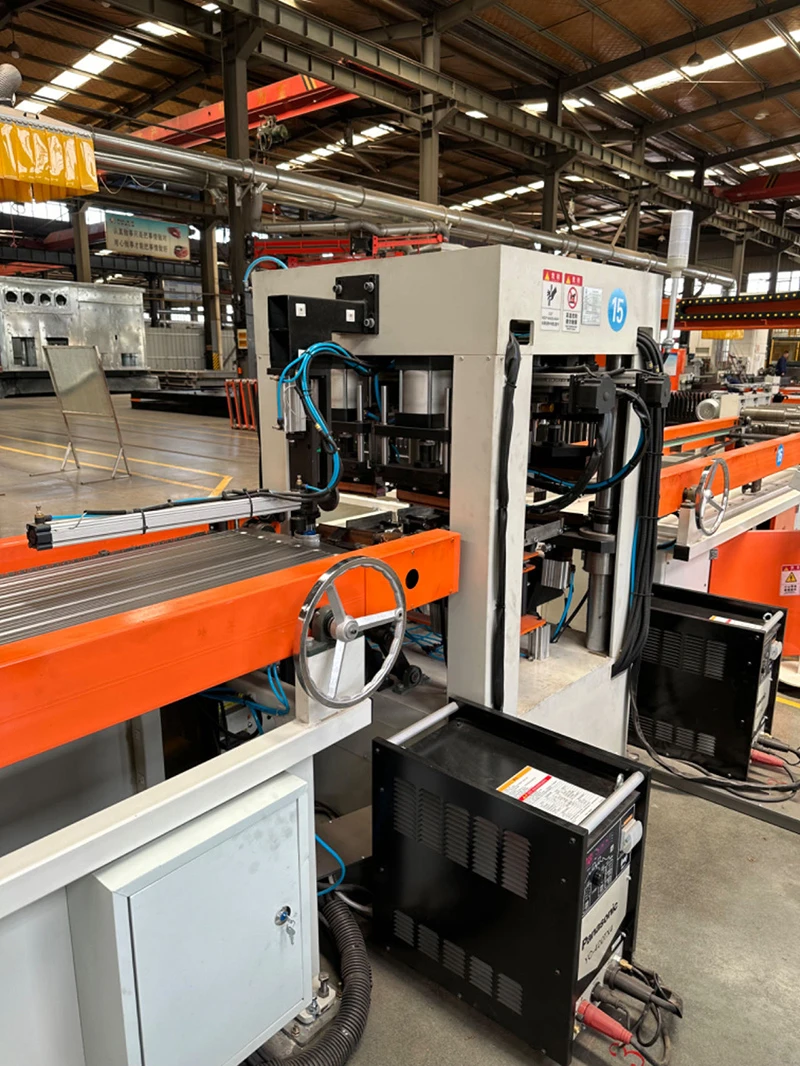
Proper feeding and unloading of the plates are essential for the efficient operation of the Automatic Plate Combination Machine.

Symptoms:
- Plates are not being fed into the machine at the correct rate or orientation.
- The unloading system fails to remove the combined plates from the machine.
- Plates get stuck in the feeding or unloading mechanisms.
Solutions:
- Optimize the Feeding System: Adjust the feeding speed and pressure to ensure that the plates are fed smoothly into the machine. Use sensors and guides to control the orientation of the plates. Consider using Loading and Unloading Systems to improve the efficiency of the process.
- Check the Unloading Mechanism: Inspect the unloading system to ensure that it is functioning properly. Check for any blockages or malfunctions in the conveyor belts, lifts, or other components. Make any necessary adjustments or repairs to ensure smooth unloading.
- Prevent Plate Sticking: Apply a suitable lubricant or anti-sticking agent to the feeding and unloading surfaces to prevent the plates from sticking. This can reduce the risk of jams and improve the overall efficiency of the machine.
Conclusion
Automatic Plate Combination Machines are powerful tools that can significantly improve productivity and quality in various industries. However, like any complex equipment, they require proper maintenance and troubleshooting to ensure optimal performance. By being aware of the common problems and implementing the solutions outlined in this blog, you can minimize downtime and keep your operations running smoothly.
If you're experiencing any issues with your Automatic Plate Combination Machine or are considering purchasing a new one, I encourage you to contact us. Our team of experts is ready to provide you with the support and guidance you need. We can also offer customized solutions to meet your specific requirements. Don't hesitate to reach out for a consultation and let's discuss how we can help you take your plate combination process to the next level.
References
- Manufacturer's manuals for Automatic Plate Combination Machines
- Industry standards and best practices for welding and metalworking
- Technical literature on electrical and mechanical systems in industrial equipment