

Hey there! As a supplier of the Automatic Plate Combination Machine, I'm stoked to share with you how to operate this nifty piece of equipment. Whether you're new to the game or just looking to brush up on your skills, this guide will walk you through the ins and outs of getting the most out of your Automatic Plate Combination Machine.
Getting Familiar with the Automatic Plate Combination Machine
First things first, let's talk a bit about what the Automatic Plate Combination Machine is all about. This machine is a real workhorse in the manufacturing world, especially when it comes to transformer radiator production. It's designed to efficiently combine plates, making the production process faster and more accurate.
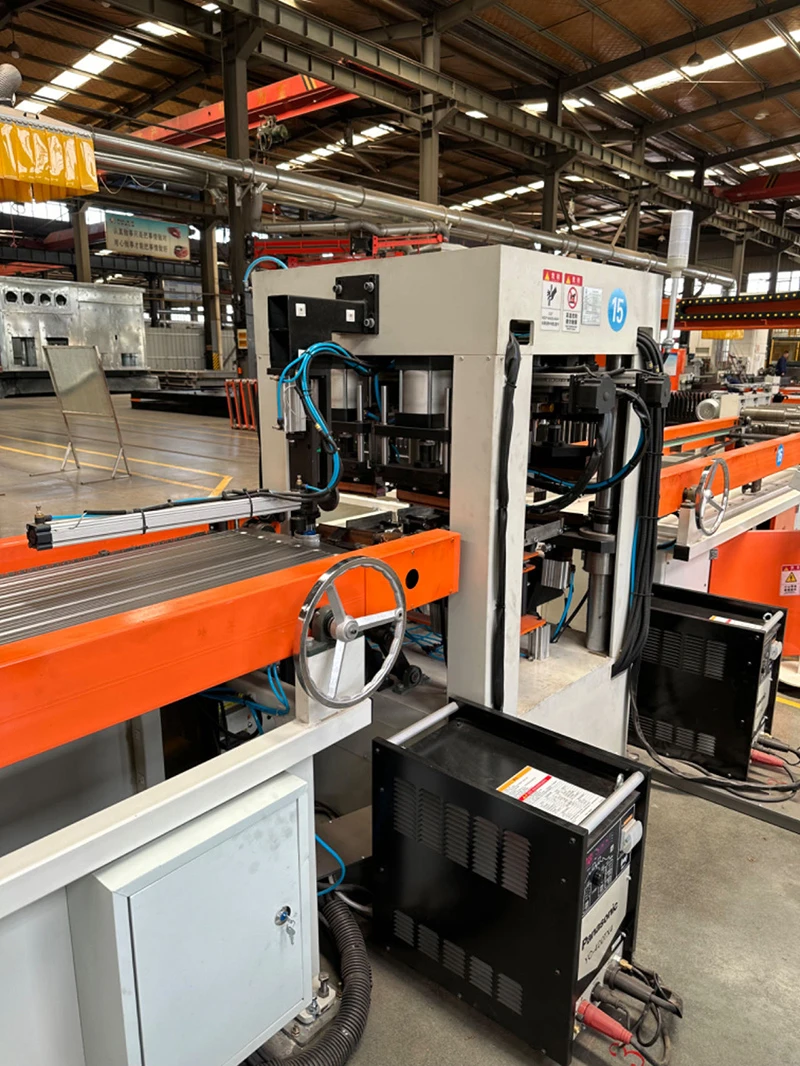
The machine typically consists of a frame, a control panel, a plate feeding system, and a combination mechanism. The frame provides a stable base for all the components, while the control panel is where you'll be making all the magic happen. The plate feeding system ensures that the plates are fed into the machine smoothly, and the combination mechanism does the actual job of joining the plates together.
Pre - operation Checks
Before you start up the Automatic Plate Combination Machine, it's crucial to do a thorough pre - operation check. This will help prevent any potential issues and ensure that the machine runs smoothly.
- Visual Inspection: Take a good look at the machine. Check for any signs of damage, such as loose parts, cracks, or leaks. Make sure all the guards and safety devices are in place and functioning properly.
- Lubrication: Check the lubrication points of the machine. The moving parts need to be well - lubricated to reduce friction and wear. Refer to the machine's manual to find out which lubricants to use and where to apply them.
- Electrical Connections: Inspect the electrical connections. Make sure all the wires are properly connected and there are no signs of fraying or damage. A loose or damaged electrical connection can cause malfunctions or even pose a safety hazard.
- Plate Alignment: Ensure that the plates you're going to use are properly aligned and free from any debris or contaminants. Misaligned plates can lead to poor combination results.
Starting the Machine
Once you've completed the pre - operation checks, it's time to start the machine.
- Power On: Turn on the power switch of the machine. You'll usually see some indicator lights on the control panel light up, indicating that the machine is getting power.
- Initial Setup: Use the control panel to set up the machine according to your requirements. You can adjust parameters such as the combination speed, pressure, and the number of plates to be combined. Different types of plates may require different settings, so it's a good idea to do some test runs with a small batch of plates first.
- Plate Loading: Load the plates into the feeding system. The feeding system may use different methods, such as conveyor belts or robotic arms, depending on the model of the machine. Make sure the plates are loaded in the correct orientation.
Operating the Machine
Now that the machine is up and running, here's how to operate it effectively.
- Monitor the Process: Keep an eye on the combination process. Watch for any signs of abnormal noise, vibration, or movement. If you notice anything unusual, stop the machine immediately and investigate the cause.
- Quality Control: Periodically check the quality of the combined plates. Look for any signs of poor combination, such as gaps between the plates or uneven joining. You may need to adjust the machine settings if the quality is not up to par.
- Maintenance During Operation: If the machine has a long - running operation, perform minor maintenance tasks as needed. For example, clean the feeding system to prevent any blockages and check the lubrication levels.
Stopping the Machine
When you're done using the machine, it's important to stop it properly.
- Complete the Batch: Make sure all the plates in the current batch are processed before stopping the machine. This will ensure that you don't waste any plates or cause any disruptions in the production process.
- Reduce Speed and Pressure: Gradually reduce the combination speed and pressure using the control panel. This will help prevent any sudden stress on the machine's components.
- Power Off: Once the machine has completed its operation and the speed and pressure are at a minimum, turn off the power switch.
Troubleshooting
Even with proper operation and maintenance, you may encounter some issues with the Automatic Plate Combination Machine. Here are some common problems and how to solve them.
- Poor Combination Quality: If the combined plates have gaps or are not joined properly, check the machine settings. You may need to increase the pressure or adjust the combination speed. Also, make sure the plates are clean and properly aligned.
- Feeding Issues: If the plates are not feeding smoothly, check the feeding system for any blockages. Clean the conveyor belts or robotic arms if necessary. You may also need to adjust the feeding mechanism to ensure proper plate movement.
- Electrical Problems: If the machine experiences electrical malfunctions, such as sudden shutdowns or error messages on the control panel, check the electrical connections. Make sure all the fuses are intact and replace any damaged wires.
Related Machines
The Automatic Plate Combination Machine often works in conjunction with other machines in the transformer radiator production line. Two important ones are the End Argon Arc Welding Machine and the Multi Spot Welding Machine.
The End Argon Arc Welding Machine is used to perform argon arc welding on the ends of the combined plates. This helps to strengthen the joints and improve the overall quality of the radiator. The Multi Spot Welding Machine, on the other hand, is used to create multiple weld spots on the plates, providing additional structural support.

Conclusion
Operating an Automatic Plate Combination Machine may seem daunting at first, but with proper pre - operation checks, careful operation, and regular maintenance, you can ensure that the machine runs efficiently and produces high - quality combined plates. If you have any questions or need more detailed information about our Automatic Plate Combination Machine or other related machines, don't hesitate to reach out. We're here to help you make the most of your production process and take your business to the next level. Whether you're a small - scale manufacturer or a large - scale industrial operation, our machines are designed to meet your needs. Contact us today to start a procurement discussion and find out how our Automatic Plate Combination Machine can revolutionize your production line.
References
- Manufacturer's Manual of Automatic Plate Combination Machine
- Industry Standards for Transformer Radiator Production