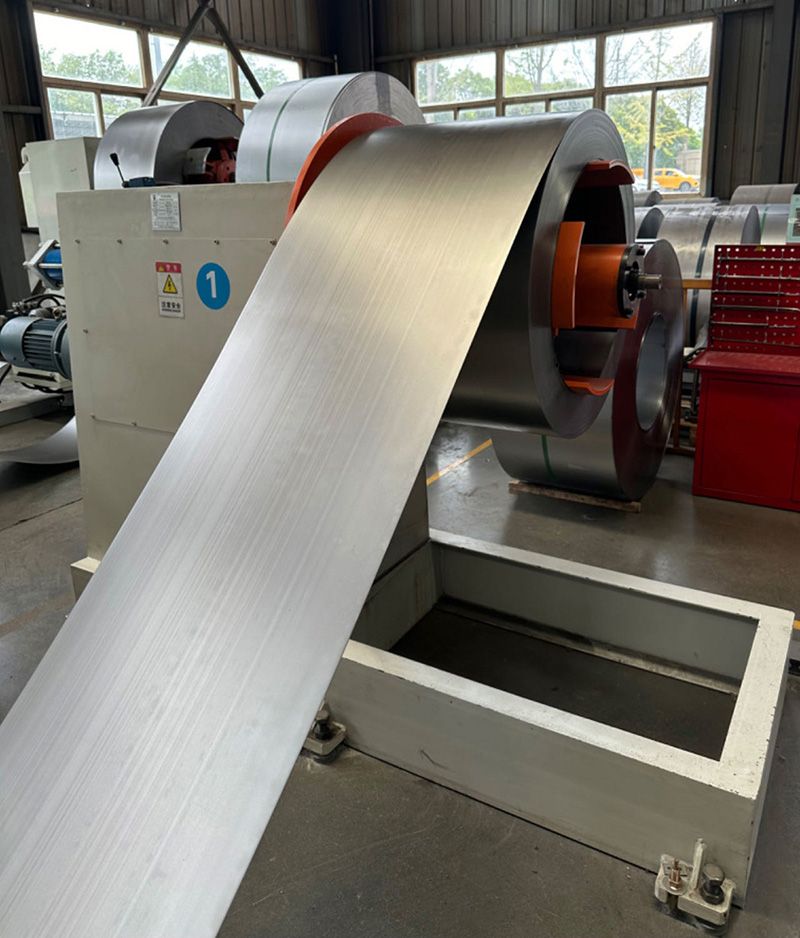
Transformer radiator is a key component in power equipment, and its performance directly affects the operating efficiency and life of the transformer. With the rapid development of the power industry, the market demand for transformer radiators continues to grow, and the optimization of the production line forming process has become an important link in improving product quality and production efficiency. This article will introduce the core forming process of the transformer radiator production line to help industry practitioners better understand the technological progress in this field.
The forming process of transformer radiator mainly includes material selection, stamping forming, welding assembly and surface treatment. First of all, radiators usually use aluminum or copper as the main material because of their good thermal conductivity and corrosion resistance. Aluminum radiators are more widely used in the market because of their light weight and low cost.
Stamping forming is one of the core processes of radiator production. Through high-precision stamping equipment, metal sheets are processed into heat sinks of specific shapes to ensure their structural strength and heat dissipation performance. Advanced stamping technology can achieve efficient and precise production, reduce material waste and improve the yield rate.
Welding assembly is another key step in radiator forming. The heat sink needs to be connected into an integral structure through a welding process. Common welding methods include brazing and laser welding. Brazing is widely used in radiator production because of its low thermal impact and high welding strength. Laser welding can achieve a more refined welding effect and is suitable for the manufacture of high-precision radiators.
Finally, the surface treatment process is crucial to the durability and appearance quality of the radiator. Common treatment methods include anodizing, spraying and electroplating to improve the corrosion resistance and oxidation resistance of the radiator while enhancing its aesthetics.
With the popularization of intelligent manufacturing technology, the production line of transformer radiators is gradually developing towards automation and intelligence. In the future, more efficient molding processes and more advanced material applications will further promote industry technology upgrades and meet the market demand for high-performance radiators.