

The wear rate of key components in a leveling and trimming machine is a crucial factor that significantly impacts the machine's performance, efficiency, and overall lifespan. As a leading supplier of leveling and trimming machines, understanding these wear rates and their implications is essential for providing our customers with high - quality equipment and reliable service.
Understanding the Key Components
A leveling and trimming machine consists of several key components, each with its own wear characteristics. The primary components include the leveling rolls, trimming blades, drive motors, and transmission systems.
Leveling rolls are the heart of the leveling process. They are responsible for flattening and straightening the metal sheets or strips. These rolls are constantly in contact with the workpieces, and the pressure and friction during the leveling operation cause them to wear over time. The wear of leveling rolls is mainly influenced by the material properties of the workpiece, such as hardness and thickness, as well as the operating speed of the machine. For example, when processing high - strength steel sheets, the wear rate of the leveling rolls will be relatively higher compared to ordinary carbon steel sheets.
Trimming blades, on the other hand, are used to cut the edges of the metal sheets to the desired width. The cutting action subjects the blades to high shear forces, which lead to blade wear. The wear of trimming blades is affected by factors such as the cutting angle, the sharpness of the blade at the beginning, and the hardness of the material being cut. Dull blades not only increase the wear rate but also can cause poor cutting quality, such as rough edges and burrs.
Drive motors are responsible for providing the power needed to operate the machine. Although they are not in direct contact with the workpieces, the continuous operation and load variations can cause wear on the motor bearings, windings, and other internal components. Overheating and electrical stress can also accelerate the wear of drive motors.
The transmission system, including gears, belts, and chains, transfers the power from the drive motor to the leveling rolls and trimming blades. The meshing and friction between the gear teeth, the tension on the belts, and the contact between the chain links all contribute to the wear of the transmission system.
Factors Affecting Wear Rates
- Material Properties: As mentioned earlier, the hardness, thickness, and surface condition of the workpiece have a significant impact on the wear rate of the key components. Harder materials require more force to level and cut, which increases the wear on the leveling rolls and trimming blades. Thicker materials also put more stress on the components, leading to faster wear.
- Operating Conditions: The operating speed, feed rate, and pressure applied during the leveling and trimming process can affect the wear rate. Higher operating speeds generally increase the friction and impact forces, resulting in faster wear. Similarly, excessive pressure can cause premature wear of the components.
- Lubrication and Maintenance: Proper lubrication is essential to reduce friction and wear between the moving parts. Insufficient lubrication can lead to increased wear and even component failure. Regular maintenance, including cleaning, inspection, and replacement of worn - out parts, can significantly extend the lifespan of the key components.
- Machine Design and Quality: The design of the leveling and trimming machine, including the selection of materials, the precision of manufacturing, and the layout of the components, can also influence the wear rate. High - quality machines with well - designed components are generally more resistant to wear.
Measuring and Monitoring Wear Rates
To ensure the optimal performance of the leveling and trimming machine, it is necessary to measure and monitor the wear rates of the key components regularly. This can be done through various methods:
- Visual Inspection: Regular visual inspection of the components can reveal signs of wear, such as surface scratches, pitting, and deformation. This is a simple and cost - effective method, but it may not be able to detect internal wear or small - scale damage.
- Dimensional Measurement: Measuring the dimensions of the components, such as the diameter of the leveling rolls and the thickness of the trimming blades, can accurately determine the amount of wear. This method requires the use of precision measuring tools, such as calipers and micrometers.
- Wear Monitoring Sensors: Advanced wear monitoring sensors can be installed on the machine to continuously monitor the wear of the components. These sensors can detect changes in parameters such as temperature, vibration, and acoustic emission, which are often associated with wear.
Impact of Wear Rates on Machine Performance
The wear of the key components can have a significant impact on the performance of the leveling and trimming machine. As the leveling rolls wear, the ability to flatten and straighten the workpieces may be compromised, resulting in uneven surfaces and reduced flatness accuracy. Worn trimming blades can cause poor cutting quality, as mentioned before, and may even lead to material waste.
In addition, the wear of the drive motors and transmission systems can affect the power transmission efficiency of the machine. This can result in increased energy consumption, reduced operating speed, and unstable performance. Ultimately, if the wear is not addressed in a timely manner, it can lead to machine breakdowns, production downtime, and increased maintenance costs.
Strategies to Reduce Wear Rates
To minimize the wear rates of the key components and extend the lifespan of the leveling and trimming machine, several strategies can be implemented:
- Select the Right Materials: For the leveling rolls and trimming blades, choosing high - quality materials with high hardness, wear resistance, and toughness can significantly reduce wear. For example, some advanced alloy steels or tool steels are commonly used for these components.
- Optimize Operating Parameters: Adjusting the operating speed, feed rate, and pressure according to the material properties of the workpiece can help reduce the wear on the components. This requires a good understanding of the machine's capabilities and the characteristics of the materials being processed.
- Implement Regular Maintenance: Establishing a regular maintenance schedule, including lubrication, cleaning, and inspection, is crucial. Replace worn - out parts promptly to prevent further damage to other components.
- Use Advanced Technology: Incorporating advanced technologies, such as automated control systems and real - time wear monitoring, can help optimize the machine's operation and detect wear at an early stage.
Related Machines in Our Product Portfolio
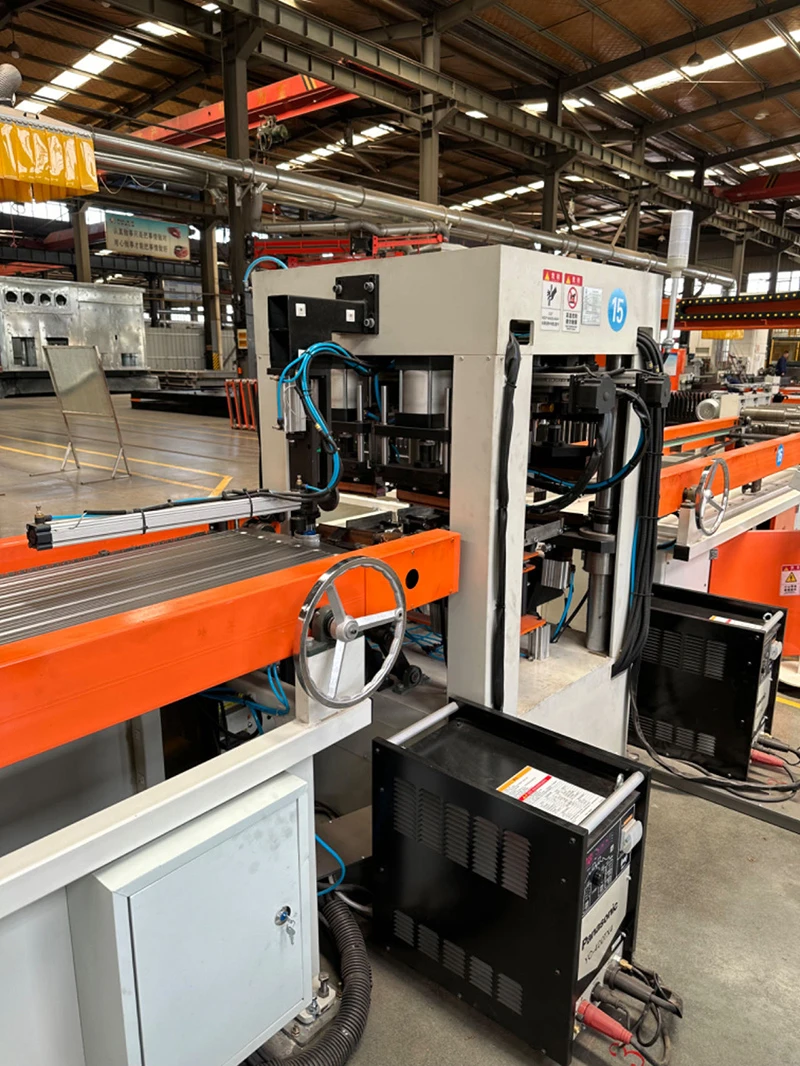
We also offer a range of related machines that can complement the leveling and trimming process. For example, the Automatic End Shear Machine is designed to perform precise end - cutting operations. The End Seam Welder Machine can be used to weld the seams of the processed metal sheets, while the End Argon Arc Welding Machine provides high - quality argon arc welding.

Contact for Purchase Negotiation
If you are interested in our leveling and trimming machines or any of the related products, we welcome you to contact us for purchase negotiation. Our team of experts is ready to provide you with detailed information, technical support, and customized solutions to meet your specific requirements.
References
- Smith, J. (2018). Metal Forming Machinery: Design, Operation and Maintenance. Industrial Press.
- Brown, A. (2019). Wear and Tribology in Manufacturing Processes. Elsevier.
- Johnson, R. (2020). Handbook of Machine Tools and Machining. McGraw - Hill.