

Integrating an Automatic Plate Combination Machine into a factory's quality - control system is a crucial step towards enhancing productivity, precision, and overall efficiency. As a supplier of Automatic Plate Combination Machines, I have witnessed firsthand the transformative impact such integration can have on manufacturing operations. In this blog, we will explore the ease of integrating our Automatic Plate Combination Machine with a factory's quality - control system.
Understanding the Automatic Plate Combination Machine
Before delving into the integration process, it's essential to understand what an Automatic Plate Combination Machine is. Our Automatic Plate Combination Machine is a state - of - the - art piece of equipment designed for the efficient combination of plates in various manufacturing processes. It is equipped with advanced sensors, precision actuators, and intelligent control systems that ensure accurate plate alignment and connection.
The machine can handle a wide range of plate materials, thicknesses, and sizes, making it suitable for diverse industries such as automotive, aerospace, and construction. Its automated operation reduces human error, increases production speed, and improves the quality of the final product.
Compatibility with Existing Quality - Control Systems
One of the key factors contributing to the ease of integration is the compatibility of our Automatic Plate Combination Machine with existing quality - control systems. Most modern factories have established quality - control protocols and systems in place, which may include inspection equipment, data management software, and communication networks.

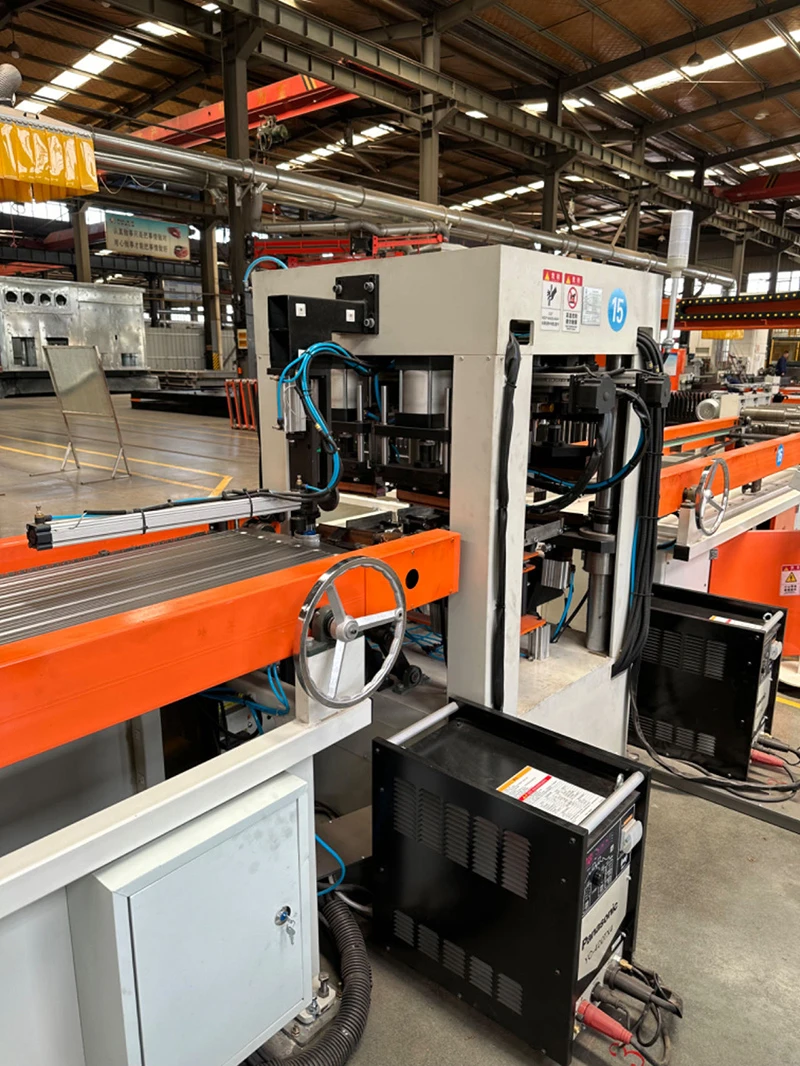
Our machine is designed with an open - architecture control system that allows for seamless communication with different types of quality - control devices. It can easily interface with vision inspection systems, which are commonly used to detect surface defects, dimensional inaccuracies, and proper plate alignment. The machine can also exchange data with statistical process control (SPC) software, enabling real - time monitoring and analysis of production quality.
For example, if a factory uses a vision inspection system to check the alignment of plates during the combination process, our Automatic Plate Combination Machine can transmit relevant data such as plate position, orientation, and movement speed to the inspection system. The inspection system can then analyze this data and provide feedback to the machine, allowing for immediate adjustments if necessary.
Standardized Communication Protocols
To further facilitate integration, our Automatic Plate Combination Machine adheres to standardized communication protocols. These protocols ensure that the machine can communicate effectively with other devices in the factory's quality - control network.
One of the widely used protocols is the OPC UA (Open Platform Communications Unified Architecture). OPC UA provides a secure and reliable way to exchange data between different industrial devices and systems. Our machine supports OPC UA, which means it can easily connect to other OPC UA - compliant quality - control equipment, such as multi - spot welding machines and end argon arc welding machines.
The use of standardized protocols eliminates the need for complex custom - made interfaces, reducing the time and cost associated with integration. For instance, when integrating our Automatic Plate Combination Machine with a Multi Spot Welding Machine in a production line, the two machines can communicate directly using OPC UA, sharing data on welding parameters, plate position, and production status.
User - Friendly Interface for Integration
Another aspect that makes integration easy is the user - friendly interface of our Automatic Plate Combination Machine. The machine comes with a graphical user interface (GUI) that allows operators and technicians to configure the integration settings easily.
The GUI provides a step - by - step guide for connecting the machine to the factory's quality - control system. It includes options for selecting the communication protocol, specifying the IP addresses of other devices, and setting up data transfer parameters. Even operators with limited technical knowledge can follow these instructions and complete the integration process without significant difficulties.
In addition, the GUI also offers diagnostic tools that help in troubleshooting any integration issues. It can display error messages, system status information, and communication logs, allowing technicians to quickly identify and resolve problems.
Training and Support
We understand that integrating a new machine into an existing quality - control system may require some training and support. That's why we offer comprehensive training programs for our customers. These programs cover both the operation of the Automatic Plate Combination Machine and its integration with quality - control systems.
Our training sessions are conducted by experienced technicians who have in - depth knowledge of the machine and the integration process. They provide hands - on training, allowing operators and technicians to practice the integration steps on actual equipment. We also offer online resources such as user manuals, video tutorials, and technical support forums to help customers with any questions or issues they may encounter.
Moreover, our technical support team is available 24/7 to assist customers with integration and post - integration problems. Whether it's a software glitch, a communication issue, or a hardware failure, our team can provide timely solutions to ensure that the integration process goes smoothly.
Benefits of Integration
The integration of our Automatic Plate Combination Machine with a factory's quality - control system brings numerous benefits. Firstly, it improves the overall quality of the products. By continuously monitoring and adjusting the combination process based on quality - control feedback, the machine can produce plates with higher precision and fewer defects.
Secondly, it increases production efficiency. Real - time data exchange between the machine and the quality - control system allows for immediate identification and correction of production issues, reducing downtime and waste. For example, if a quality - control device detects a problem with a plate, the machine can stop the production process, isolate the defective part, and resume production after the issue is resolved.
Thirdly, it enhances traceability. The integration enables the collection and storage of detailed production data, which can be used for product traceability. In case of a quality issue or a customer complaint, the factory can easily access the data to determine the root cause, track the production history of the affected products, and take appropriate corrective actions.
Conclusion
In conclusion, integrating our Automatic Plate Combination Machine with a factory's quality - control system is a relatively easy and straightforward process. Thanks to its compatibility with existing systems, adherence to standardized communication protocols, user - friendly interface, and comprehensive training and support, factories can quickly and effectively integrate the machine into their production lines.
The benefits of integration, including improved product quality, increased production efficiency, and enhanced traceability, make it a worthwhile investment for any manufacturing facility. If you are interested in learning more about our Automatic Plate Combination Machine and how it can be integrated with your factory's quality - control system, we encourage you to reach out to us for further discussion and a potential procurement negotiation.
References
- "Industrial Communication Technologies: Fundamentals and Applications" by Peter Langthaler
- "Statistical Process Control for Quality Improvement" by Douglas C. Montgomery
- "Automation and Robotics in Manufacturing" by Mikell P. Groover