

Hey there! I'm a supplier of transformer radiator production lines. If you're thinking about getting into operating one of these lines, you're in the right place. In this blog, I'll break down the training requirements for operators of a transformer radiator production line.
Basic Technical Knowledge
First off, operators need to have a good grasp of basic technical knowledge. This includes understanding how transformers work in general. You don't have to be a top - notch electrical engineer, but knowing the fundamentals of how a transformer transfers electrical energy is super important. A transformer radiator is there to cool the transformer, so if you know what the transformer is doing, you'll better understand why the radiator needs to be made in a certain way.

For example, you should know about the different types of transformers, like oil - immersed transformers and dry - type transformers. Each type has different cooling requirements, and this will affect the design and production of the radiators.
Safety Training
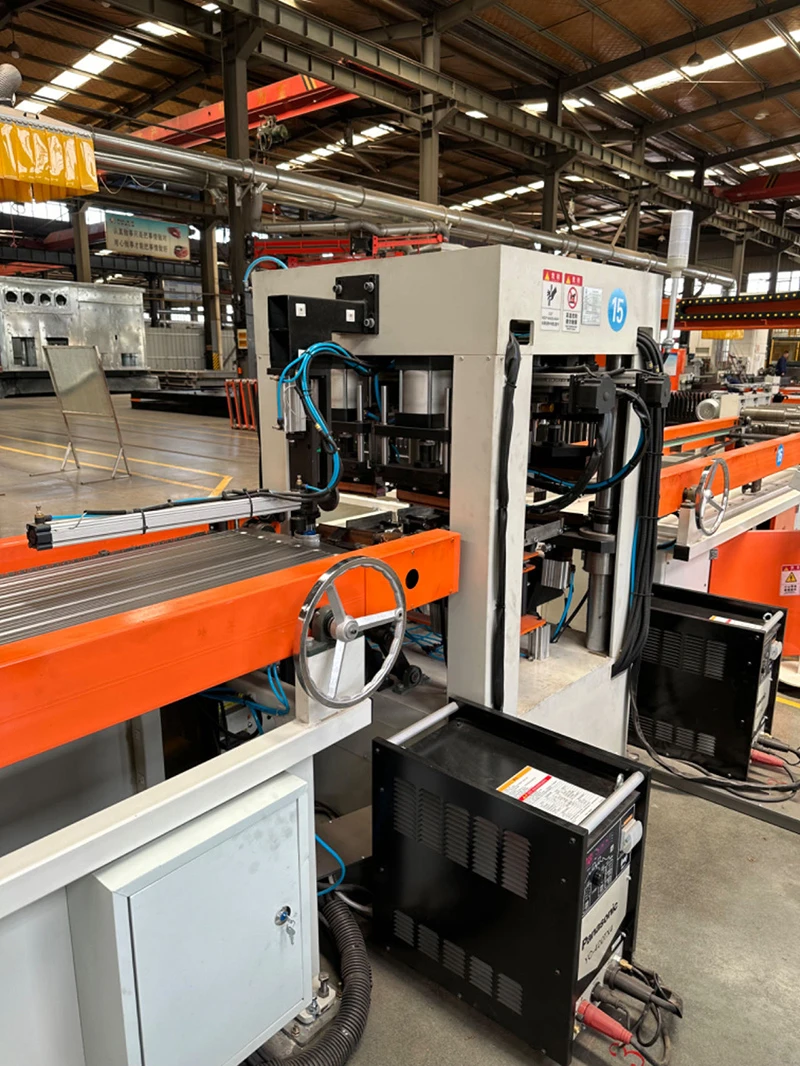
Safety is no joke when it comes to operating a production line. Operators must go through comprehensive safety training. This involves learning about the safety features of the machines on the production line. For instance, all the machines on our production line, like the Multi Spot Welding Machine, End Argon Arc Welding Machine, and Dual Seam Welding Machine, are equipped with safety guards and emergency stop buttons.
Operators need to know how to properly wear personal protective equipment (PPE). This includes things like safety glasses to protect their eyes from flying sparks during welding, gloves to protect their hands from heat and sharp edges, and earplugs to reduce the noise from the machines.
They also need to be trained on how to handle emergencies. What should they do if there's a fire on the production line? How to shut down the machines in case of a malfunction? These are all crucial aspects of safety training.
Machine - Specific Training
Each machine on the transformer radiator production line has its own set of operating procedures. Let's start with the welding machines. The Multi Spot Welding Machine is used to create multiple welds at the same time. Operators need to learn how to set the correct welding parameters, such as the welding current, voltage, and time. If these parameters are not set correctly, the welds may not be strong enough, which can lead to radiator leaks later on.
The End Argon Arc Welding Machine is used for precise welding at the ends of the radiator components. Operators need to be trained on how to handle the argon gas supply, as argon is used to protect the weld from oxidation. They also need to learn how to control the welding torch to get a smooth and even weld.
The Dual Seam Welding Machine is used to create continuous seams on the radiator. Operators have to know how to adjust the speed of the machine and the pressure applied during welding to ensure a high - quality seam.
Quality Control Training
Quality control is a big part of operating a transformer radiator production line. Operators need to be trained on how to inspect the products at different stages of production. They should know the quality standards for things like the thickness of the radiator walls, the accuracy of the welds, and the overall dimensions of the radiator.
For example, they need to use measuring tools like calipers and micrometers to check the thickness of the metal sheets used in the radiator. They also need to visually inspect the welds for any signs of cracks, porosity, or unevenness. If a product doesn't meet the quality standards, operators should know what steps to take, such as re - working the product or rejecting it.
Maintenance Training
To keep the production line running smoothly, operators should also receive some maintenance training. They need to know how to do basic maintenance tasks on the machines, like cleaning, lubricating, and tightening loose parts. For example, they should regularly clean the welding electrodes on the welding machines to ensure good welding performance.
They also need to be able to identify early signs of machine problems. If a machine starts making strange noises or vibrating more than usual, operators should know that there might be an issue and report it immediately. This can prevent more serious breakdowns and reduce downtime on the production line.
Teamwork and Communication Training
Operating a production line is not a one - person job. Operators need to work well in a team. They should be trained on how to communicate effectively with their colleagues. For example, if one operator notices a problem with a particular part of the production process, they need to be able to quickly and clearly communicate this to the rest of the team.
They also need to understand their roles within the team. Some operators may be responsible for loading and unloading materials, while others may be in charge of operating specific machines. By working together as a team, they can improve the overall efficiency of the production line.
Continuous Training
The field of transformer radiator production is always evolving. New technologies and better production methods are constantly being developed. That's why continuous training is essential for operators. We, as a supplier, often provide updated training to our customers' operators to keep them up - to - date with the latest industry trends.
This could involve training on new software that can be used to control the production line more efficiently or new welding techniques that can improve the quality of the radiators.
Conclusion
In conclusion, operating a transformer radiator production line requires a wide range of training. From basic technical knowledge to safety, machine - specific, quality control, maintenance, teamwork, and continuous training, operators need to be well - rounded. If you're interested in purchasing a transformer radiator production line from us, we'll not only provide you with high - quality equipment but also comprehensive training for your operators. Don't hesitate to reach out to us for more information and to start the procurement negotiation process.
References
- General knowledge of transformer technology from industry textbooks.
- Safety regulations and guidelines from relevant safety authorities.
- Machine operation manuals provided by the equipment manufacturers.