

In the dynamic world of industrial manufacturing, welding is a cornerstone process that joins materials to create robust structures and products. Among the various welding technologies available, the Multi Spot Welding Machine stands out as a powerful tool, capable of performing multiple welds simultaneously. A common question that arises in the minds of manufacturers is whether a multi spot welding machine can be used for welding different thicknesses of materials. As a supplier of multi spot welding machines, I am here to delve into this topic and provide you with a comprehensive understanding.
Understanding Multi Spot Welding Machines
Multi spot welding machines are designed to create multiple welds at the same time, which significantly increases productivity compared to single - spot welding. These machines work by applying pressure and an electric current to the workpieces at specific points, causing the materials to melt and fuse together. The key components of a multi spot welding machine include electrodes, a power supply, a control system, and a pressure - applying mechanism.
The ability of a multi spot welding machine to handle different thicknesses of materials depends on several factors, including its design, power capacity, and control capabilities.
Factors Affecting Welding of Different Thicknesses
Power Capacity
One of the most critical factors is the power capacity of the welding machine. Thicker materials require more heat energy to melt and form a proper weld. A multi spot welding machine with a high - power output can generate sufficient heat to weld thicker materials. However, when welding a combination of thick and thin materials, the machine needs to be carefully calibrated. If the power is set too high for the thin material, it may burn through, while setting it too low for the thick material will result in an incomplete weld.
For example, if you are welding a stack of materials where one layer is 3 mm thick and another is 1 mm thick, the machine must be able to adjust the heat input to ensure that both materials are welded effectively. Our Multi Spot Welding Machine is engineered with advanced power control systems that can precisely regulate the energy delivered to each welding spot, allowing for the welding of different thicknesses.
Electrode Design
The design of the electrodes also plays a crucial role. Electrodes need to be shaped and sized appropriately to ensure good contact with the workpieces. When welding different thicknesses, the electrodes may need to be adjusted to distribute the pressure and heat evenly. For instance, if the electrodes are too large for the thin material, they may cause excessive deformation. On the other hand, if they are too small for the thick material, the heat transfer may be insufficient.
Our multi spot welding machines come with customizable electrode options. The electrodes can be designed to match the specific requirements of the materials being welded, ensuring optimal performance when dealing with different thicknesses.
Control System
A sophisticated control system is essential for welding different thicknesses of materials. Modern multi spot welding machines are equipped with advanced control algorithms that can adjust the welding parameters in real - time. These parameters include the welding current, voltage, time, and pressure.

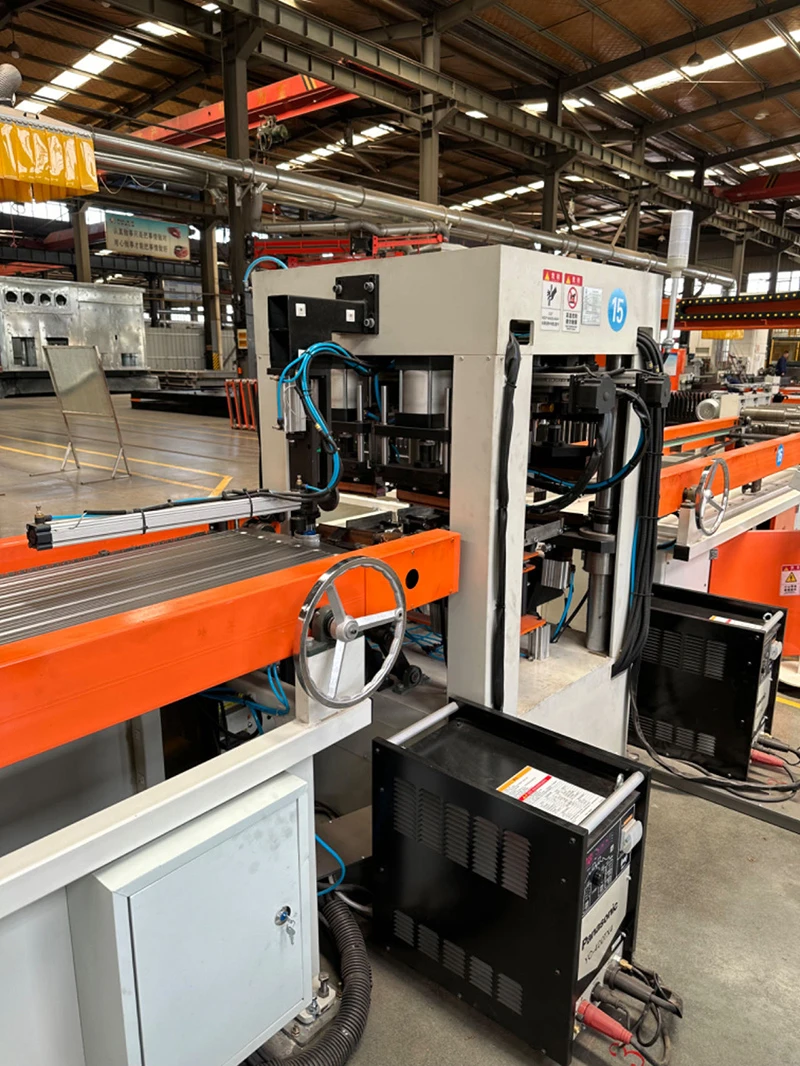
The control system can sense the resistance of the materials at each welding spot and adjust the energy input accordingly. This ensures that each weld is of high quality, regardless of the material thickness. For example, if the resistance of a thick material is higher, the control system can increase the current to generate more heat, while reducing it for the thin material.
Advantages of Using a Multi Spot Welding Machine for Different Thicknesses
Increased Productivity
Even when dealing with different thicknesses, a multi spot welding machine can still perform multiple welds simultaneously. This is much faster than using a single - spot welding machine, which would require multiple passes to complete the same number of welds. By reducing the welding time, manufacturers can increase their production output and meet market demands more efficiently.
Cost - Effectiveness
Using a single multi spot welding machine to handle different thicknesses of materials can save on equipment costs. Instead of investing in multiple welding machines for different material thicknesses, a single machine can be used with appropriate adjustments. This also reduces the floor space required in the manufacturing facility, further cutting down on costs.
Consistency
The advanced control systems in modern multi spot welding machines ensure consistent weld quality across all spots, even when welding different thicknesses. This consistency is crucial for maintaining the structural integrity and performance of the final product.
Applications in Different Industries
Automotive Industry
In the automotive industry, multi spot welding machines are widely used to join various parts of the vehicle body. These parts often have different thicknesses, such as the outer body panels (thin) and the structural reinforcements (thick). Our Multi Spot Welding Machine has been successfully applied in automotive manufacturing plants, where it has proven its ability to weld different thicknesses of steel and aluminum alloys with high precision.
Electronics Industry
The electronics industry also benefits from multi spot welding machines. Printed circuit boards (PCBs) and other electronic components may require welding of different thicknesses of copper foils and other conductive materials. The ability to control the welding parameters precisely allows for the creation of reliable electrical connections without damaging the delicate components.
Transformer Manufacturing
In transformer manufacturing, multi spot welding machines are used to assemble different parts of the transformer radiator. The radiator components may have varying thicknesses, and a multi spot welding machine can efficiently weld them together. Additionally, our company also offers related equipment such as the End Argon Arc Welding Machine and Automatic End Shear Machine to provide a comprehensive solution for transformer radiator production.
Tips for Welding Different Thicknesses
Material Preparation
Proper material preparation is essential. The surfaces of the materials should be clean and free of contaminants such as rust, oil, and dirt. This ensures good electrical contact and heat transfer during the welding process.
Test Welding
Before starting mass production, it is advisable to perform test welds on sample materials. This allows you to optimize the welding parameters such as current, time, and pressure for different thickness combinations.
Regular Maintenance
Regular maintenance of the multi spot welding machine is crucial to ensure its optimal performance. This includes checking the electrodes for wear and tear, cleaning the electrical connections, and calibrating the control system.
Conclusion
In conclusion, a multi spot welding machine can indeed be used for welding different thicknesses of materials. With the right power capacity, electrode design, and control system, these machines can provide efficient, cost - effective, and high - quality welding solutions.
As a supplier of multi spot welding machines, we are committed to providing our customers with the best - in - class products and technical support. Our machines are designed to meet the diverse needs of various industries, including those that require welding of different thicknesses.
If you are interested in learning more about our Multi Spot Welding Machine or have specific requirements for your welding applications, we invite you to contact us for a detailed discussion. Our team of experts is ready to assist you in finding the most suitable welding solution for your business.
References
- Welding Handbook, American Welding Society
- Industrial Welding Technology, McGraw - Hill Education
- Advances in Welding Processes, Elsevier